
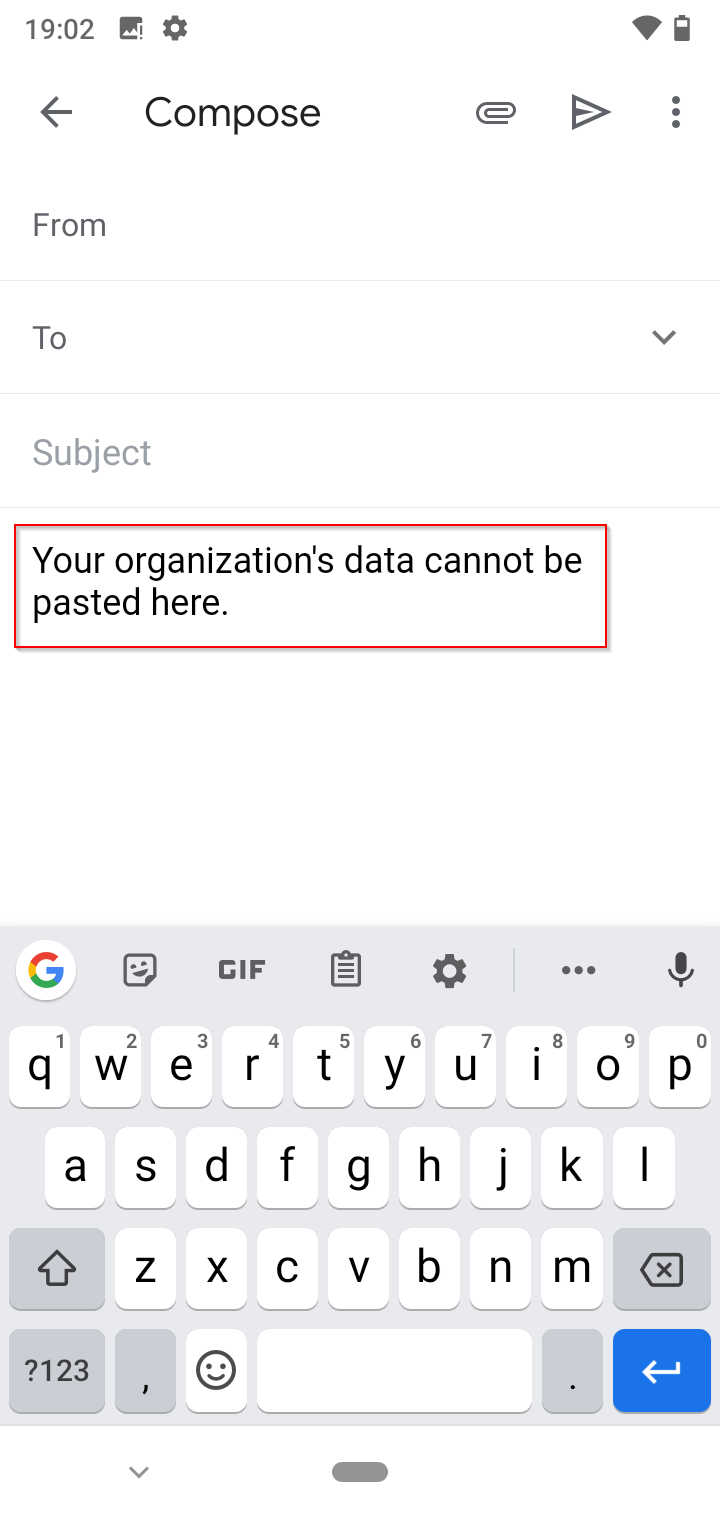
In today’s digital-first world, data security has become one of the top priorities for businesses of all sizes. From protecting customer information to safeguarding proprietary company data, organizations are placing more emphasis on preventing unauthorized access and data leaks. One common warning message that many users encounter in workplace environments is “Your organization’s data cannot be pasted here. Only 25 characters are allowed.” This error message, though seemingly simple, has deeper implications when it comes to data security and how businesses manage their information.
In this article, we’ll explore the meaning of “Your organization’s data cannot be pasted here. Only 25 characters are allowed.” why it appears in the first place, and how it helps organizations maintain strict control over sensitive data. We’ll also delve into how businesses can ensure compliance with these types of restrictions, as well as best practices for data management and security.
What Does “Your Organization’s Data Cannot Be Pasted Here. Only 25 Characters Are Allowed.” Mean?
The message “Your organization’s data cannot be pasted here. Only 25 characters are allowed.” is a specific error typically associated with data loss prevention (DLP) and other security measures employed by an organization to ensure the safety and integrity of sensitive information. While the message itself seems like a simple technical restriction, it is rooted in complex data security protocols designed to prevent unauthorized or improper handling of data.
In essence, this message is an alert triggered when a user attempts to paste data into an area that the organization’s security systems have deemed insecure or unauthorized. It also limits the data input to only 25 characters, likely as an additional layer of restriction. This is particularly relevant in environments where employees need to ensure that the data they handle is properly secured and not shared inappropriately.
This limitation can apply in various contexts, from preventing copying and pasting information from one software application to another, to enforcing rules around what types of data can be shared externally or entered into certain forms or systems. Ultimately, these policies help safeguard sensitive information from unauthorized access, thereby minimizing the risk of data breaches.
Why Does This Error Message Appear?
1. Data Loss Prevention (DLP) Policies
Data loss prevention (DLP) is one of the primary reasons behind the appearance of this message. DLP policies are designed to prevent data breaches, unauthorized data transfers, and the mishandling of sensitive information. Organizations implement these policies to control where data can be transferred, copied, or pasted, in order to mitigate the risk of accidental or malicious data leaks.
When the system detects an attempt to move data into a location that does not comply with the organization’s security policies, the message “Your organization’s data cannot be pasted here. Only 25 characters are allowed.” appears as a safeguard. By limiting both the action and the amount of data that can be transferred, organizations are effectively reducing the chance of data being compromised or shared inappropriately.
2. Preventing the Transfer of Sensitive Information
Another reason this message appears is to prevent the unauthorized transfer of sensitive or proprietary data. Sensitive information, such as personal details, financial records, intellectual property, or trade secrets, is often protected by organizations through various security measures. When users attempt to copy and paste such data into locations outside the organization’s controlled environment—such as email, unapproved apps, or external websites—this message acts as a barrier to prevent such actions from occurring.
3. Limiting Data Entry to Prevent Overload
Sometimes, the 25-character limit serves as a simple restriction designed to limit the input of text or data. For example, in certain fields or forms, long strings of data may not be necessary, or might overwhelm the system. The limit helps prevent data overload by ensuring that only small, manageable amounts of data are entered, reducing the risk of errors and ensuring that only the most relevant information is being shared or processed.
4. Controlling Where Data Can Be Pasted
The restriction of pasting data into specific locations also comes into play here. Organizations typically restrict pasting data from sources such as word processors, spreadsheets, or databases into unapproved destinations. This ensures that sensitive or confidential data isn’t inadvertently shared with unauthorized parties. Whether an employee is pasting data into an external communication tool, an email, or an unapproved document storage system, this message helps maintain data security by enforcing these restrictions.
How Organizations Benefit from This Restriction
1. Enhanced Security Measures
The primary benefit of displaying the message “Your organization’s data cannot be pasted here. Only 25 characters are allowed.” is to protect sensitive data. By placing restrictions on where and how data can be transferred, organizations minimize the potential for accidental data leaks or breaches. Given the increasing frequency of cyberattacks, especially targeting sensitive information, these restrictions act as an essential line of defense.
In sectors such as finance, healthcare, and government, where compliance with data protection regulations (like GDPR, HIPAA, and SOX) is a legal requirement, these kinds of security measures are vital. The error message ensures that employees comply with these regulatory standards, preventing unauthorized access or sharing of sensitive data.
2. Preventing Human Error
One of the most common causes of data breaches is human error. Employees may inadvertently copy sensitive data from one document and paste it into an email or text document that’s not secured, which could lead to the data being exposed to unauthorized parties. The message helps prevent these accidental actions by imposing strict rules about where data can be copied and pasted. This way, even if an employee makes an unintentional mistake, the system stops the action before it can cause harm.
3. Preventing Data Theft or Leakage
Another critical benefit of such restrictions is the prevention of malicious actions by individuals with intent to steal or misuse data. In cases where employees, contractors, or external partners have access to sensitive company information, DLP policies, including pasting restrictions, serve as deterrents to prevent data theft or leakage.
4. Centralized Data Control
By enforcing limitations on where data can be pasted and what data can be transferred, organizations maintain centralized control over the movement of information. This ensures that all data remains within the organization’s secured environment and is not shared with unapproved external platforms or devices. Such control is vital in managing data privacy and maintaining data integrity.
Addressing the Error: Solutions and Workarounds
If you encounter the message “Your organization’s data cannot be pasted here. Only 25 characters are allowed.” here are some potential solutions and workarounds:
1. Consult with IT Department
If you encounter this message and are unsure why it’s happening, the first step is to consult with your IT department or system administrator. They will be able to explain the specific data loss prevention policies in place within your organization and help clarify why certain data actions are being blocked. Additionally, they may be able to adjust the restrictions to better accommodate your needs, provided such changes don’t compromise security.
2. Use Approved Tools and Applications
To avoid triggering the error, always use the approved tools and applications for copying and pasting data. Most organizations have a set of applications and services that have been vetted for security and compliance purposes. By sticking to these tools, you reduce the risk of encountering data transfer restrictions.
3. Check Your Clipboard Content
Sometimes, the error message may appear simply because you are attempting to paste more than 25 characters of data into a restricted field. If this is the case, try copying and pasting a smaller portion of the text, or consider summarizing the content so that it fits within the 25-character limit.
4. Use Alternative Methods for Sharing Data
If you need to share data that is blocked by this message, use secure alternatives that comply with your organization’s policies. For instance, you may be able to use encrypted email, secure file transfer protocols, or the company’s internal document-sharing platform to transmit sensitive information.
Best Practices for Data Security in the Workplace
To ensure that data is handled securely, organizations should adopt the following best practices:
-
Regular Training and Awareness Programs
Regularly train employees on the importance of data security and how to handle sensitive information appropriately. Ensuring that all employees understand the implications of the error message “Your organization’s data cannot be pasted here. Only 25 characters are allowed.” will help them comply with the organization’s data security protocols. -
Implement Strong DLP Policies
Strong data loss prevention (DLP) policies are critical for safeguarding sensitive data. These policies should include restrictions on where and how data can be transferred or pasted, as well as monitoring to detect and block unauthorized access. -
Ensure Regular Software Updates
Security systems, including those that enforce restrictions like the one mentioned above, must be kept up to date. Regularly updating security software ensures that your data protection mechanisms are equipped to handle the latest threats. -
Establish Clear Guidelines for Data Handling
Organizations should have clear guidelines in place for how employees can handle, transfer, and share sensitive information. These guidelines should be regularly reviewed and updated to ensure they are aligned with best practices and compliance requirements.
Conclusion
The message “Your organization’s data cannot be pasted here. Only 25 characters are allowed.” might seem like a small inconvenience, but it plays a critical role in ensuring that sensitive data remains secure within the organization. By implementing strict data loss prevention policies and restricting where and how data can be transferred, organizations can reduce the risk of data breaches and unauthorized access.
For employees, it’s important to understand the significance of these security measures and comply with the organization’s data handling rules. With the right strategies and security tools in place, organizations can continue to protect their sensitive information and stay ahead of potential threats in today’s ever-evolving digital landscape.