
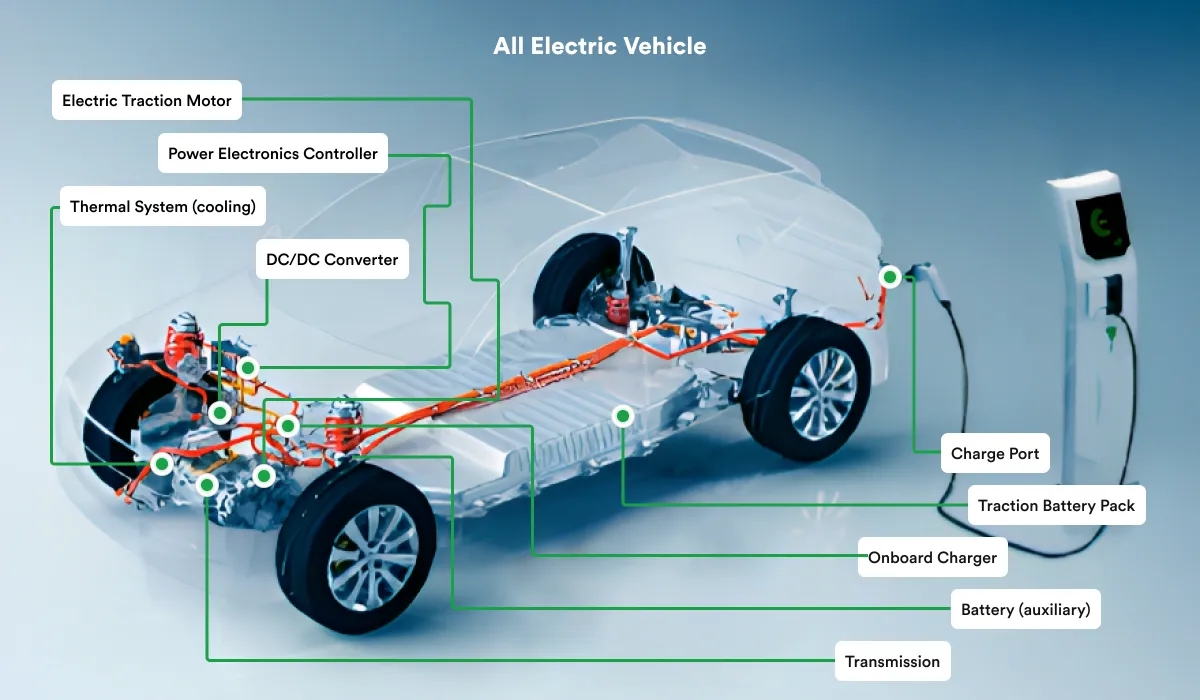
Vehicle electrification trends are no longer something reserved for auto shows, concept cars, or future forecasts. They are already shaping the way people buy, drive, and think about vehicles today. From city commuters switching to electric cars to logistics companies electrifying entire fleets, this shift is happening faster than many expected.
A few years ago, electric vehicles were seen as experimental or expensive. Today, they are practical, reliable, and increasingly mainstream. Governments, manufacturers, and consumers are all pushing in the same direction, creating momentum that feels impossible to slow down.
Understanding the Shift Toward Electrified Mobility
The global automotive industry is experiencing one of its biggest transformations since the invention of the internal combustion engine. Electrification is not just about replacing fuel tanks with batteries. It is about rethinking how vehicles are powered, designed, and integrated into everyday life.
This transformation is driven by several forces working together. Rising fuel costs, stricter emission norms, and growing environmental awareness have changed buyer priorities. At the same time, rapid advances in battery technology have made electric vehicles more accessible.
For many drivers, the shift feels personal. Choosing an electrified vehicle often reflects values around sustainability, efficiency, and future readiness.
Why Vehicle Electrification Is Accelerating Now
Timing plays a huge role in why electrification is accelerating today rather than ten years ago. Battery costs have dropped significantly, making electric vehicles more affordable for mass markets. Charging infrastructure has expanded, reducing range anxiety for daily users.
Manufacturers have also gained experience. Early electric models were limited in performance and features. Modern electric vehicles now match or exceed traditional cars in acceleration, comfort, and technology.
These changes have made Vehicle electrification trends feel less like an experiment and more like a natural evolution.
The Role of Government Policies and Regulations
Policy decisions have strongly influenced the speed of electrification. Many countries now offer incentives for electric vehicle purchases, reduced road taxes, and exemptions from certain restrictions.
Emission regulations have become stricter, pushing manufacturers to rethink their long-term strategies. For some automakers, electrification is no longer optional but essential for survival.
Urban areas are also playing a role. Cities facing pollution challenges are promoting low-emission zones, encouraging residents to adopt electric or hybrid vehicles.
Consumer Behavior Is Changing Rapidly
Car buyers today research more than ever before. They compare total ownership costs, maintenance expenses, and long-term savings instead of focusing only on purchase price.
Electric vehicles often win these comparisons. Lower running costs, fewer moving parts, and reduced maintenance requirements appeal to practical buyers.
As friends, neighbors, and colleagues share real-world experiences, skepticism fades. First-hand stories of smooth driving, quiet cabins, and lower fuel bills make electrification feel approachable.
Battery Technology as the Heart of Electrification
Battery innovation sits at the center of electrified mobility. Improvements in energy density, charging speed, and lifespan have transformed what electric vehicles can offer.
Manufacturers are investing heavily in research to develop safer, lighter, and more efficient batteries. Solid-state technology, while still emerging, promises further breakthroughs.
Reliable batteries increase trust. When drivers feel confident that their vehicle will perform consistently over years of use, adoption naturally increases.
Charging Infrastructure and Daily Practicality
Infrastructure is often cited as the biggest challenge to electrification. However, progress has been steady. Public charging stations are becoming more common along highways, in office complexes, and residential areas.
Home charging has also become simpler. For many owners, plugging in overnight replaces weekly fuel station visits.
As infrastructure grows, Vehicle electrification trends gain momentum because convenience improves alongside technology.
Hybrid and Plug-in Hybrid Vehicles as Transitional Solutions
Not every driver is ready to go fully electric. Hybrid and plug-in hybrid vehicles provide a middle ground, combining electric driving with traditional engines.
These vehicles help users experience electrification without fully relying on charging networks. For manufacturers, hybrids allow gradual adaptation while meeting emission targets.
This transitional phase plays a critical role in educating consumers and building confidence in electric technologies.
Electrification Beyond Passenger Cars
Electrification is not limited to personal vehicles. Buses, delivery vans, and commercial fleets are rapidly adopting electric powertrains.
Logistics companies benefit from lower operating costs and predictable energy expenses. Cities benefit from reduced noise and cleaner air.
Seeing electric buses and delivery vehicles on the road normalizes the technology and reinforces its reliability in demanding conditions.
Automotive Design Is Being Redefined
Electric platforms allow designers to rethink vehicle architecture. Without large engines and transmissions, interiors can be more spacious and flexible.
This design freedom has led to new layouts, improved aerodynamics, and innovative storage solutions. Drivers often notice the difference immediately when they sit inside an electric vehicle.
Design innovation supports Vehicle electrification trends by making electric cars not just efficient, but desirable.
Software, Connectivity, and Electrification
Modern electric vehicles are deeply connected machines. Software manages battery performance, charging behavior, and driving modes.
Over-the-air updates allow manufacturers to improve vehicles long after purchase. This capability builds trust and extends vehicle lifespan.
The integration of software and electrification creates a user experience that feels modern, adaptive, and future-proof.
Workforce Transformation and Skill Development
As vehicles electrify, the automotive workforce must evolve. Mechanics, engineers, and service technicians require new skills.
Training programs now focus on high-voltage systems, battery diagnostics, and software integration. This upskilling ensures safety and service quality.
A knowledgeable workforce strengthens consumer confidence and supports the long-term success of electrified mobility.
Environmental Impact and Sustainability Goals
Reducing emissions remains a core motivation behind electrification. Electric vehicles produce zero tailpipe emissions, improving air quality in cities.
When combined with renewable energy sources, the environmental benefits multiply. Many owners choose electric vehicles to align personal choices with sustainability goals.
Lifecycle assessments continue to improve as battery recycling and cleaner manufacturing processes develop.
The Business Strategy of Automakers
Electrification has reshaped corporate strategies. Manufacturers are investing billions into electric platforms, battery plants, and software development.
Some brands have announced timelines to phase out combustion engines entirely. Others are diversifying portfolios to include electric options across segments.
These commitments signal long-term confidence in Vehicle electrification trends rather than short-term experimentation.
Real-World Ownership Experiences
Stories from electric vehicle owners often focus on unexpected benefits. Quiet drives, instant torque, and smoother acceleration stand out.
Many owners report that once they adapt to charging routines, they prefer electric driving over traditional fueling.
These real-life experiences carry more weight than marketing claims, accelerating adoption through word-of-mouth trust.
Challenges That Still Need Attention
Electrification is not without challenges. Charging access in densely populated areas can be uneven. Initial purchase costs may still be high for some buyers.
Battery recycling and resource sourcing require ongoing innovation and regulation. Addressing these issues transparently builds credibility.
Acknowledging challenges honestly strengthens trust and aligns with EEAT principles.
Global Differences in Electrification Adoption
Electrification progresses differently across regions. Some countries lead due to strong infrastructure and incentives. Others move slower due to economic or logistical constraints.
Understanding these differences helps manufacturers tailor strategies and policymakers design effective programs.
Despite variations, the global direction remains clear and unified.
The Future of Mobility Ecosystems
Electrification connects with broader mobility trends such as shared transportation, autonomous driving, and smart cities.
Electric vehicles integrate more easily with digital platforms and urban planning initiatives.
This interconnected ecosystem reinforces Vehicle electrification trends as a foundation for future mobility solutions.
Consumer Trust and Long-Term Reliability
Trust grows as electric vehicles prove themselves over time. High-mileage examples, strong resale values, and reliable warranties reassure buyers.
Manufacturers that communicate openly about performance, maintenance, and upgrades earn long-term loyalty.
Reliability, transparency, and customer education remain essential pillars.
How Electrification Is Influencing Driving Culture
Driving habits change with electrification. Smooth acceleration encourages calmer driving styles. Regenerative braking alters how drivers approach traffic.
These subtle shifts influence road safety, energy efficiency, and overall driving experience.
Cultural acceptance grows as drivers adapt naturally to new behaviors.
Investment and Innovation Across the Supply Chain
Suppliers, startups, and technology companies all contribute to electrification. From battery materials to charging solutions, innovation happens across the value chain.
This collaborative environment accelerates progress and spreads expertise.
Strong partnerships enhance authority and trust across the industry.
Electrification as a Long-Term Commitment
Electrification is not a temporary trend. It represents a structural shift in how vehicles are powered and perceived.
Manufacturers, governments, and consumers are investing with long-term horizons in mind.
As infrastructure expands and technology matures, adoption becomes less about compromise and more about preference.
Read also :-