
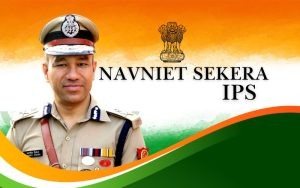
An IPS officer’s career can involve many different responsibilities, locations, and professional challenges during years of public service. Readers visiting officersdetails.com can explore information about IPS officers, their postings, career journeys, professional roles, and other details connected with India’s police administration. Unlike a job where responsibilities remain mostly fixed, an IPS career can change considerably when an officer moves from one assignment to another.
A district posting may involve direct public interaction, law and order management, crime supervision, and coordination with local officials. A headquarters assignment can involve policy work, administration, budgeting, personnel management, and departmental planning. Specialized postings can bring completely different responsibilities related to intelligence, security, training, cybercrime, or other areas.
This variety is one reason people find IPS careers interesting. At the same time, changing responsibilities require officers to remain adaptable throughout their professional journey.
Postings Shape Professional Experience
Postings are an important part of an IPS officer’s professional development because every assignment can provide different exposure. Officers may begin their careers with field responsibilities and later move into positions involving larger teams and broader administrative decisions.
Working in different locations also exposes officers to different policing environments. Urban areas may involve traffic management, cybercrime, large populations, and complex public safety requirements. Rural districts can present different challenges related to geography, transportation, local disputes, and resource availability.
Experience gained in one assignment can become useful in another. An officer who has handled difficult field situations may later use that experience while planning policies or supervising a larger organization.
Career development therefore depends not only on rank but also on the variety of responsibilities handled over time.
District Roles Require Presence
District-level police assignments are among the most visible responsibilities associated with senior police officers. Officers may supervise police stations, review crime situations, manage law and order, coordinate security arrangements, and communicate with local administration.
Being physically present in important situations can help officers understand problems more clearly. Reports and statistics provide useful information, but field conditions may reveal details that cannot always be understood from paperwork alone.
District officers may also interact with citizens, local representatives, government officials, and community organizations. These interactions require patience because different groups can have different expectations from the police administration.
The ability to remain accessible while maintaining professional authority becomes an important part of effective district leadership.
State Headquarters Bring Different Duties
A move from field policing to state headquarters can significantly change an officer’s daily routine. Instead of focusing primarily on one district, an officer may become involved in issues affecting several districts or the entire state police organization.
Headquarters responsibilities can include policy development, departmental reviews, budgeting, personnel matters, training decisions, procurement, and coordination between specialized units.
Meetings and documentation can occupy a substantial part of the working day. Decisions made at headquarters may influence how police units operate across large geographical areas.
This type of assignment requires officers to think beyond individual incidents and consider larger organizational requirements.
Specialized Units Need Expertise
Modern police organizations include specialized units that deal with particular types of challenges. These may involve cybercrime, intelligence, economic offenses, counter-terrorism, traffic management, technical investigation, security, or other specialized responsibilities.
Officers working in these areas need to understand the specific nature of the assignment while managing personnel with different forms of expertise.
Specialized policing can also involve technology-intensive work. Digital evidence, financial records, communication systems, surveillance tools, and analytical software may become important parts of investigations and operations.
An officer does not need to personally perform every technical task, but effective leadership requires understanding how specialized teams operate.
Transfers Require Adaptability
Changing postings can require officers to adjust quickly to new locations, teams, responsibilities, and working environments. An officer who has spent several years in one area may suddenly need to understand an entirely different administrative setup.
Adaptability becomes especially important during the early period of a new assignment. Officers need to understand existing systems, identify important issues, meet key personnel, and review current priorities.
Listening can be useful during this stage. Local officers and administrative staff often have practical knowledge that can help a newly posted officer understand existing challenges more quickly.
A successful transition usually involves learning first and making major changes after understanding the situation properly.
Career Growth Involves Leadership
As an IPS officer moves into senior positions, leadership becomes increasingly important. Managing a small team and managing a large organization require different approaches.
Senior officers may supervise multiple departments, districts, or specialized units. Their decisions can influence the work of hundreds or thousands of personnel.
Leadership at this level involves setting priorities, reviewing performance, allocating resources, resolving organizational problems, and maintaining professional standards.
A senior officer also needs to communicate clearly with both junior personnel and government leadership. The ability to explain operational requirements in practical terms can become extremely valuable.
Public Order Remains Important
Regardless of posting, public order remains a major part of police administration. Officers may need to prepare for elections, festivals, protests, sporting events, religious gatherings, public celebrations, or unexpected disturbances.
Preparation can involve assessing risks, deploying personnel, arranging communication systems, coordinating traffic, and preparing emergency responses.
Situations can change quickly, so officers must remain prepared to adjust their plans. A good operational plan provides direction but should not prevent reasonable adaptation when circumstances change.
Maintaining public order therefore requires planning, judgment, communication, and coordination.
Crime Patterns Guide Decisions
Police leadership increasingly depends on information about crime patterns. Officers can review data to identify recurring offenses, sensitive locations, emerging problems, and areas where additional resources may be needed.
Crime statistics alone cannot explain every situation. Officers may need to combine numerical information with field reports, intelligence inputs, investigation reviews, and community feedback.
This approach can help departments move toward prevention rather than simply reacting after crimes occur.
Modern technology can make this process faster by allowing information to be organized and reviewed digitally.
Investigations Need Oversight
Senior officers usually supervise important investigations rather than personally handling every detail. Their role can include checking progress, reviewing evidence collection, ensuring procedures are followed, and identifying cases where additional resources may be necessary.
Complex investigations may involve multiple police stations, districts, states, or specialized units. Coordination becomes important when different teams are working on connected aspects of the same case.
Forensic evidence and digital information have also become increasingly significant. Officers need to understand how specialized evidence supports investigations while ensuring that proper legal procedures are followed.
Strong supervision can help maintain quality without unnecessarily interfering with investigators handling the case.
Technology Creates New Responsibilities
Technology has become part of almost every modern policing environment. Communication systems, databases, digital records, surveillance technology, forensic tools, and analytical platforms can improve efficiency.
Cybercrime has created additional challenges because criminals can operate across locations without being physically present in the same area as their victims.
Online financial fraud is another growing concern for law enforcement agencies. Investigating such cases can require cooperation between police units, financial institutions, technology specialists, and other agencies.
IPS officers therefore need to remain aware of technological developments even when specialized teams perform the technical work.
Coordination Makes Operations Stronger
Large police operations rarely depend on one department working alone. Police authorities may need to coordinate with district administration, transport departments, health services, municipal authorities, disaster response teams, and emergency organizations.
Elections provide one example where several administrative functions need to operate together. Security, transportation, communication, crowd management, and emergency planning may all require coordination.
Senior officers often participate in planning meetings where responsibilities are divided and communication procedures are established.
Coordination can become difficult when organizations have different priorities, so clear communication and defined responsibilities are important.
Community Interaction Has Value
Police administration is more effective when officers understand the concerns of the communities they serve. Local residents may have information about recurring problems, unsafe areas, traffic difficulties, or other concerns that may not appear in official records.
Community meetings and public outreach can provide useful information while improving communication between police personnel and residents.
Trust usually develops gradually. Citizens are more likely to cooperate when they believe police officials listen carefully and respond professionally.
Community interaction should therefore be viewed as part of regular policing rather than as something required only during special programs.
Training Continues Throughout Careers
Initial training provides important foundations, but professional learning continues throughout an IPS career. Officers may attend specialized programs related to leadership, cybercrime, investigation, security, administration, technology, or other responsibilities.
Continuous training becomes especially important when policing methods change. New technologies and criminal techniques can make older approaches less effective.
Senior officers also need to develop management skills as their responsibilities increase. Personnel management, budgeting, communication, policy implementation, and strategic planning may become more important than direct operational work.
Learning therefore continues at different levels throughout the career.
Ethics Influence Police Leadership
Police officers have significant authority, which makes professional ethics especially important. Fairness, accountability, lawful decision-making, and responsible use of authority contribute to public confidence.
Senior officers also influence organizational culture. Their own behavior can affect the standards expected from subordinate personnel.
Ethical leadership is not limited to major decisions. Everyday actions, communication, treatment of staff, handling of complaints, and adherence to procedures all contribute to professional credibility.
Strong organizational standards generally develop when leadership consistently demonstrates them.
Security Assignments Can Be Complex
Some IPS officers receive responsibilities connected with security and intelligence. These assignments may involve protecting important individuals, sensitive locations, major events, or critical infrastructure.
Security planning often begins with risk assessment. Officers need to understand possible threats, available resources, communication arrangements, and emergency procedures.
Information may come from several sources and needs to be evaluated carefully before operational decisions are made.
Confidentiality can also become important because sensitive information may need to be shared only with personnel who require it for their responsibilities.
Administrative Skills Become Important
As officers move toward senior administrative positions, organizational skills become increasingly valuable. Managing budgets, personnel, equipment, departmental performance, and long-term planning can take considerable time.
An officer may need to review proposals, approve administrative actions, coordinate with government departments, and monitor whether policies are being implemented properly.
These responsibilities may not appear as dramatic as field policing, but they can have a significant effect on how efficiently a police organization operates.
Good administration creates the foundation that allows field personnel to perform their duties effectively.
Understanding Transfers Realistically
Transfers are a normal part of many government careers, including policing. A new posting can bring professional opportunities but can also require significant personal and administrative adjustment.
Officers may need to learn a new jurisdiction, understand new teams, and quickly identify important priorities.
The ability to adapt without losing professional consistency becomes important. An officer should be able to maintain standards regardless of location or assignment.
This is one reason professional discipline remains valuable throughout an IPS career.
Future Policing Will Keep Changing
The future of policing will likely involve increasing use of technology, data analysis, digital communication, artificial intelligence, and specialized investigative systems.
At the same time, traditional responsibilities such as public safety, crime prevention, law and order, and community interaction will remain important.
Future officers may therefore need a combination of technical awareness and traditional leadership skills.
The most effective police organizations will likely be those that can adopt useful technology while maintaining strong human judgment and professional standards.
Conclusion
IPS career growth is closely connected with different postings, changing responsibilities, professional learning, leadership, and adaptability. Officers may move between district policing, headquarters administration, specialized units, security assignments, training roles, and other responsibilities throughout their careers.
Understanding these different roles provides a more realistic view of the Indian Police Service beyond examinations and public recognition. For detailed IPS officer profiles, career information, postings, professional responsibilities, and other useful public-service details, explore officersdetails.com and continue learning about the people serving across India’s policing and administrative system.
Read also :-
major gaurav chaudhary qualification