
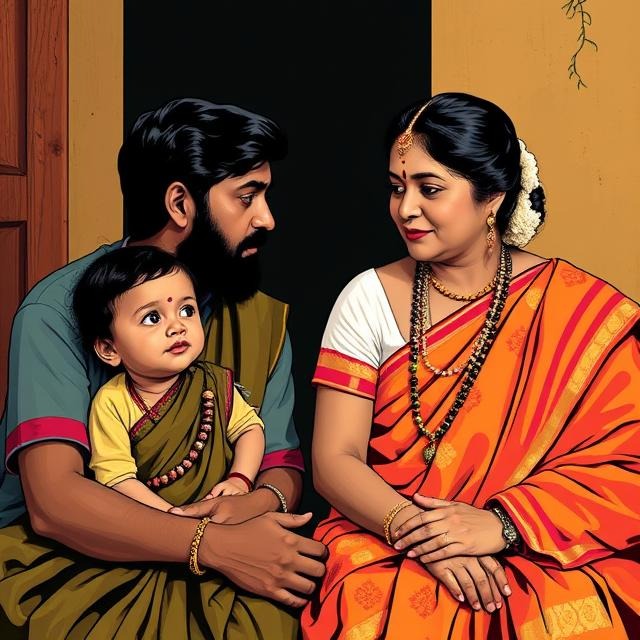
Family bonds are an essential aspect of every culture, providing both emotional support and guidance. In many families, terms like “uncle,” “aunt,” “nephew,” and “niece” are commonly used, but each of these words carries a unique cultural meaning. One of these important terms in Telugu culture is nephew meaning in Telugu, which helps define an essential relationship in the family structure. In this article, we will dive deep into what nephew means in Telugu, how it fits into the broader family context, and the emotional and cultural importance it holds within Telugu-speaking families.
Table of Contents
ToggleUnderstanding the Nephew Meaning in Telugu
The word nephew meaning in Telugu translates to “నీలం” (pronounced neelam). This term specifically refers to the male child of one’s brother or sister. In essence, a nephew is the son of a sibling, which makes this relationship an important one in family dynamics. It is important to understand that while the literal translation is simple, the bond shared with a nephew can be incredibly rich and emotional.
The Telugu term for nephew is deeply connected to family values, respect, and the mutual care that exists between family members. Although a nephew is primarily seen as the son of a sibling, the role he plays in the family can go beyond just a bloodline connection.
The Role of a Nephew in Telugu Families
The relationship between a nephew and their extended family in Telugu-speaking households is often characterized by respect and affection. In many traditional Telugu families, uncles and aunts play a significant role in the upbringing of their nephew, offering guidance and support. As family elders, uncles and aunts often serve as role models and sources of wisdom for the younger generation.
A nephew in Telugu culture is not just a person who shares a common lineage. The bond formed with him is often strengthened through acts of love, affection, and mentorship. In many cases, uncles and aunts treat their nephews like their own children, providing them with the same care, love, and attention that they would give to their biological children.
In some cases, nephews can also look to their uncles and aunts for advice on career choices, education, or personal relationships. The relationship becomes a mutual exchange of support, where both parties contribute to each other’s personal development and well-being.
The Cultural Significance of a Nephew in Telugu Traditions
In Telugu-speaking families, a nephew carries cultural significance beyond just a familial term. He is often seen as an extension of the family legacy. In rural and traditional households, a nephew can hold an important role in continuing family traditions and rituals, particularly as the family patriarch or matriarch ages.
For example, a nephew might be tasked with taking part in important religious or social ceremonies, such as weddings, festivals, or pujas (Hindu prayers). These events are often integral to the family’s cultural identity, and the nephew becomes a symbolic representative of both the family and the larger community.
Festivals like Diwali, Sankranti, or Ugadi offer a unique opportunity for a nephew to deepen his connection with his family. During these festivals, uncles and aunts may bless their nephew with gifts, and in return, the nephew may take part in family activities, strengthening the bond. These shared experiences during festivities create lasting memories that define the nephew meaning in Telugu and the emotional ties between him and his family.
The Unique Bond Between a Nephew and His Uncle or Aunt
The bond between a nephew and his uncle or aunt in Telugu culture is something special. While parents provide daily care and discipline, uncles and aunts often act as mentors, guides, and friends to their nephews. This relationship can often feel more informal and relaxed compared to the parent-child dynamic, allowing the nephew to feel comfortable expressing himself and seeking advice.
In many cases, uncles and aunts serve as the first people a nephew turns to when he needs guidance on personal or academic matters. They may offer a fresh perspective or valuable advice that complements what a nephew hears from his parents. The role of an uncle or aunt is often one of support and encouragement, which helps the nephew develop confidence and a sense of security.
Moreover, the affection that uncles and aunts show their nephews is an important aspect of family life. Whether it’s through gifts, kind words, or simply spending quality time together, the emotional bond between a nephew and his extended family members is undeniable.
The Evolution of the Relationship with a Nephew
As time goes on, the relationship between a nephew and his uncles and aunts can evolve. In childhood, a nephew may look up to his uncles and aunts for stories, games, and simple companionship. As the nephew grows older, however, the relationship often deepens. He may seek advice on career paths, higher education, or even personal matters such as relationships and health.
The role of uncles and aunts remains crucial during these developmental years, as they often provide an alternative perspective to that of parents. This could involve giving advice, sharing personal experiences, or simply offering support when a nephew is navigating difficult life decisions.
While the dynamic between a nephew and his extended family members may change as he matures, the foundational bond of love and respect remains constant. Over time, a nephew may become more active in the family, taking on responsibilities and even playing a central role in family events.
Nephew as a Source of Family Continuity
In Telugu-speaking families, the presence of a nephew often signifies the continuation of family traditions and cultural practices. A nephew is seen as the next generation of the family, inheriting its values and customs while also contributing to its growth. In many cases, a nephew is encouraged to learn about family history, customs, and traditions, with uncles and aunts playing an integral role in this process.
This tradition of passing down knowledge and values is critical in preserving the identity of the family and community. As a nephew grows older, he may start to take on responsibilities, becoming involved in planning family functions, festivals, or even helping younger cousins and relatives.
The nephew meaning in Telugu is, therefore, a combination of biological ties and cultural responsibilities. It reflects the important role that every family member plays in ensuring the continuity of the family unit, especially through the younger generation.
The Nephew Meaning in Telugu and Modern Family Dynamics
In modern times, the role of a nephew in Telugu families has evolved along with changing social dynamics. With many families now living in urban areas and following more contemporary lifestyles, the relationship between a nephew and his extended family members may not always follow traditional patterns. However, the underlying values of love, respect, and care remain central to the familial connection.
Modern technology has also played a significant role in enhancing the bond between a nephew and his uncles and aunts. With the advent of smartphones, social media, and other digital communication platforms, it has become easier for families to stay connected across long distances. Uncles, aunts, and nephews can now interact and share experiences, even if they live in different cities or countries.
Despite these changes, the essence of the nephew meaning in Telugu remains the same. The relationship between a nephew and his extended family continues to be one of mutual respect, love, and support, regardless of the physical distance or changes in family structure.
Conclusion
The nephew meaning in Telugu goes beyond a mere word; it represents the deep emotional connection, cultural significance, and familial bond that exists within Telugu-speaking families. From childhood to adulthood, a nephew plays a vital role in both the family unit and the preservation of cultural traditions. The relationship between a nephew and his uncles and aunts is one of mentorship, love, and guidance, helping shape the younger generation into responsible and caring individuals.
By understanding the nephew meaning in Telugu, we gain insight into the cultural importance of family connections and the unique role that a nephew plays in the broader context of family life. Whether through shared experiences, festivals, or day-to-day interactions, the bond between a nephew and his extended family members is a central part of what makes Telugu culture rich and meaningful.
