
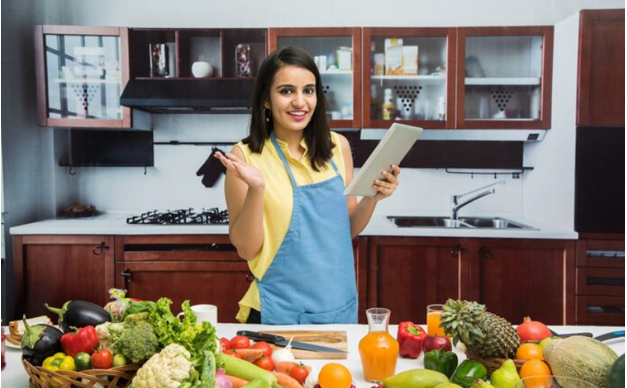
Indian home meals become much easier when familiar ingredients are given different roles throughout the week. tastymenuideas.com can offer useful inspiration for people looking to build practical Indian menus without making everyday cooking unnecessarily complicated. A meal does not need numerous dishes to feel complete because simple combinations often work extremely well together. Dal with rice, vegetables, curd, and fresh salad can make a dependable lunch without demanding too much preparation. Roti with paneer, seasonal vegetables, and chutney can create another style of dinner using many of the same kitchen staples. Breakfast can follow its own rotation with poha, idli, dosa, upma, paratha, or other suitable choices. The important part is avoiding the feeling that every day must look exactly alike. Small changes can create plenty of variety when ingredients are used creatively. A different lentil can change the texture and flavor of an otherwise familiar meal. A new vegetable preparation can make regular roti feel completely different. Rice can remain plain when the curry is rich, while seasoned rice can support simpler vegetables. Fresh sides can bring contrast without adding much work. Seasonal produce can guide grocery choices and keep the menu changing naturally throughout the year. Family preferences should remain part of the planning process because food is easier to maintain when everyone enjoys it. Cooking time matters just as much because an ambitious menu can become stressful during a busy weekday. A practical Indian menu should therefore balance flavor, variety, ingredients, time, and household routines. It should give enough direction to make decisions easier while leaving plenty of room for real life.
Begin With Useful Kitchen Staples
A dependable Indian menu usually starts with ingredients that can appear in several different meals. Rice, flour, lentils, beans, seasonal vegetables, spices, herbs, curd, and other basic groceries can provide plenty of options without requiring constant shopping. Keeping these staples available makes unexpected meal decisions much easier during busy days. Rice can accompany dal, become vegetable pulao, or work with a simple curry. Flour can create roti, chapati, paratha, and other suitable regional breads. Lentils can become dal, mixed preparations, or part of a vegetable-based dish. Vegetables can move between dry curries, gravies, fillings, and rice dishes depending on the recipe. This flexibility makes staple ingredients especially valuable for households with changing schedules. Before shopping, checking existing supplies can prevent duplicate purchases and unnecessary spending. It can also reveal which vegetables need to be cooked sooner because their freshness may not last as long. Longer-lasting pantry foods can remain available for later meals. A useful kitchen does not necessarily contain hundreds of ingredients because too many rarely used products can create clutter. It is usually better to keep a smaller selection of foods that the household regularly enjoys. Over time, families can notice which staples disappear quickly and which products remain untouched. Those observations can improve future grocery decisions. Pantry planning can also make spontaneous cooking easier because several backup meals remain possible. When a planned ingredient is unavailable, another staple can often perform a similar role. This reduces the pressure created by strict recipes and fixed meal schedules. Good menu planning begins with ingredients that provide options rather than ingredients that create limitations.
Build Balanced Family Meals
A balanced family meal can feel satisfying when different foods contribute different textures and flavors. A rich paneer curry may work well with plain roti, fresh salad, and curd because each part brings something different. A strongly seasoned vegetable can pair nicely with simple rice and dal. The goal is not following complicated food rules because everyday meals should remain comfortable and practical. Instead, consider whether every dish adds something useful to the overall plate. Several heavily seasoned dishes may compete with one another and make the meal feel unnecessarily intense. Several soft dishes may also create a similar problem because the texture becomes repetitive. Fresh cucumber, carrot, tomato, onion, or another suitable vegetable can bring welcome crispness. Curd can provide a cool and smooth contrast beside stronger foods. Portion sizes also influence how balanced the meal feels. Serving smaller amounts of several foods can allow people to enjoy variety without feeling excessively full. This becomes particularly useful during gatherings when snacks and desserts may also appear. Cooking effort should receive similar attention because a meal can become difficult when every dish requires extensive preparation. If one centerpiece needs considerable work, the remaining dishes can remain simple. Plain rice may actually be the best choice when the curry already provides plenty of flavor. Seasoned rice may make more sense when the vegetables are mild and uncomplicated. Looking at the entire meal before adding another dish can prevent unnecessary kitchen work. Balance is therefore more about practical judgment than strict formulas. The best plate is one that tastes good, feels comfortable, and remains realistic for the person preparing it.
Use Vegetables Through Seasons
Seasonal vegetables provide an easy way to keep Indian menus changing naturally throughout the year. Families can enjoy different produce without needing to search for unusual ingredients or complicated recipes. Cauliflower, peas, spinach, carrots, beans, gourds, potatoes, tomatoes, and other vegetables can support several cooking styles. A single vegetable may become a dry masala dish on one day and a filling on another day. Suitable vegetables can also become part of pulao, paratha, dal, or mixed curry preparations. Spinach can work with lentils, paneer, breads, and several regional dishes. Peas can become part of rice, vegetables, stuffed breads, and other family favorites. Cooking method makes a major difference even when the main ingredient remains unchanged. A roasted vegetable can feel very different from a soft gravy preparation using similar seasoning. Spices can also be adjusted according to what else appears on the plate. Cumin, coriander, ginger, garlic, turmeric, and herbs can create different flavor directions without requiring a large spice collection. Simple seasoning often works well when the vegetable itself is fresh and flavorful. Buying reasonable quantities helps prevent fresh produce from sitting unused for too long. Vegetables that need earlier attention can be included in meals near the beginning of the week. More durable ingredients can remain available for later cooking. This approach can reduce food waste while keeping meals varied. Families can also try one new preparation at a time instead of changing everything together. If a particular recipe becomes popular, it can join the regular rotation. Seasonal cooking therefore creates variety while keeping grocery shopping and meal preparation relatively straightforward.
Give Rice Several Purposes
Rice can play many different roles in an Indian menu depending on the dishes served alongside it. Plain rice remains useful when dal, curry, or vegetables already contain strong flavors. Its mild character gives other dishes enough space without creating another competing taste. On another day, rice can become a more noticeable part of the meal through seasoning and additional ingredients. Jeera rice, vegetable pulao, lemon rice, tomato rice, and other regional preparations can create variety using familiar pantry items. The rest of the plate should influence the type of rice being prepared. A flavorful rice dish may work best with mild vegetables and curd. Plain rice can suit a richer curry and strongly seasoned vegetable combination. Cooking technique also matters because water quantity, rice variety, cooking time, and resting can influence texture. Well-cooked rice can make even a simple dinner noticeably better. Portion planning becomes useful because rice is easy to prepare in excessive quantities. This matters even more during family gatherings where breads, snacks, vegetables, and desserts may also be served. Suitable remaining rice can sometimes support another meal when handled and stored safely. A different preparation can make it feel less repetitive on the following day. Rice also gives families a comfortable way to explore regional dishes without changing the entire menu. One new rice recipe can be introduced while the remaining foods stay familiar. This makes experimentation easier for households where people have different tastes. Plain rice should not be treated as an uninteresting option because simplicity can sometimes improve the entire plate. When the curry is flavorful enough, plain rice may be exactly what the meal needs. The best rice preparation depends on flavor, timing, ingredients, and everything else being served.
Rotate Everyday Indian Breads
Indian breads provide another simple method for creating menu variety without changing every curry in the weekly plan. Roti and chapati remain dependable choices because they work well with vegetables, dal, paneer, beans, and many gravy dishes. Paratha can create a more filling meal and can include suitable vegetable fillings when desired. Regional breads can be reserved for weekends when additional preparation time is available. Dough preparation has a noticeable effect on bread texture and overall cooking experience. Water quantity, kneading, resting, rolling, and cooking temperature all influence the finished result. Dough that becomes too firm may be difficult to roll properly during preparation. Dough that becomes excessively soft can create another set of handling problems. Resting the dough can make rolling easier and more comfortable for the cook. Fresh breads usually taste best when served close to cooking because their texture changes over time. This means curries and vegetables can often be completed first while breads are prepared near mealtime. An ordinary family dinner does not need multiple bread varieties to feel interesting. One suitable bread can work perfectly well with a good vegetable and fresh sides. Larger gatherings may benefit from two choices when guests have different preferences. Rotating bread choices through the week can make familiar meals feel noticeably different. Roti can appear on one evening, while paratha becomes the choice another evening. Suitable cooked vegetables can sometimes become fillings when stored and handled safely. Paratha with curd and salad can also become a practical meal when there is little time for several separate dishes. Bread rotation works best when it creates variety without adding unnecessary stress to the cooking routine.
Change Dal Without Complications
Lentils are among the most flexible foods available for regular Indian meal planning because several varieties offer different textures and cooking requirements. Moong dal, masoor dal, toor dal, chana dal, and urad dal can all create noticeably different dishes. Some varieties cook relatively quickly, while others benefit from soaking or longer preparation. This makes lentils suitable for both busy weekdays and slower weekend cooking. Tempering provides another easy way to change the final flavor without completely changing the recipe. Cumin, garlic, ginger, tomato, herbs, and other suitable seasonings can be adjusted according to the rest of the menu. A mild dal can balance a strongly seasoned vegetable and keep the meal from becoming too intense. A richer dal may work better with plain rice and simple accompaniments. Consistency also matters because a thinner preparation often suits rice while thicker dal can work naturally with roti. Household preferences should guide this choice because people can have very different opinions about texture. Suitable vegetables can also be added to certain lentil dishes when a fuller preparation is needed. Different lentils can rotate during the week so the same flavor does not appear repeatedly. Even one variety can feel different when the seasoning, consistency, and side dishes change. There is no reason every dal needs elaborate preparation because simple food can taste excellent when cooked carefully. A few dependable lentil recipes can provide enough variety for regular family meals. Suitable remaining dal may support another meal when safely stored and handled. Fresh roti, rice, salad, or vegetables can make the second serving feel noticeably different. Lentils are valuable because they can become the main focus of dinner or quietly support several other foods.
Keep Weeknight Cooking Simple
Weekday cooking needs to account for work, school, travel, errands, and other responsibilities that leave limited time for complicated preparation. A simple meal of dal, rice, vegetables, and curd can still feel complete after a busy day. Another evening can use roti with paneer and salad without requiring numerous separate recipes. A one-dish rice preparation can also become useful when dinner needs to be ready sooner. The goal is not reducing meal quality because practical food can still be flavorful and satisfying. The goal is removing unnecessary steps when everyone has limited time and energy. Vegetables can sometimes be washed and prepared earlier when convenient for the household. Spices can be measured beforehand when a recipe requires quick additions during cooking. Common pantry ingredients should remain available because they provide useful backup options. Flour, rice, lentils, spices, and suitable vegetables can support many different combinations without requiring special shopping. A rough weekly plan can reduce the daily pressure of deciding what should be cooked. It should not become a strict schedule because real life often changes unexpectedly. If one ingredient is unavailable, another suitable food can take its place. If dinner becomes late, a faster recipe can replace a slower one without creating a problem. Fresh salad and curd can make a simple meal feel more complete with little extra work. Weekday meals do not need elaborate presentation because taste and practicality matter more. The cook should also have enough energy left to enjoy the meal after finishing the preparation. More involved recipes can remain for weekends when there is greater flexibility. Separating quick meals from special meals can make the entire week easier to manage. A good weekday menu should support the household rather than create another source of pressure.
Make Weekend Menus Interesting
Weekends often provide more time for dishes that require additional preparation, slower cooking, or several separate stages. A paneer recipe, stuffed paratha, regional rice dish, special snack, or dessert can make the weekend meal feel different. There is no need to prepare all these foods together because one interesting centerpiece can be enough. The remaining dishes can stay simple so the cook has time to concentrate on the main recipe. Regional Indian cuisine provides many useful weekend choices because traditional preparations can involve additional preparation time. Families can introduce one unfamiliar recipe while keeping the rest of the meal familiar. If the dish becomes popular, it can return occasionally in the future. If nobody enjoys it, there is no reason to keep preparing it simply because it was new. Family members can also share suitable preparation tasks during larger weekend meals. One person can wash vegetables while another prepares salad or handles simple serving arrangements. Sharing work can make a larger meal feel much less demanding. Seasonal ingredients can receive more attention during weekends because there is usually more flexibility. Desserts that need cooling or setting can be prepared earlier rather than rushed before serving. Special meals should still feel enjoyable for the person doing most of the cooking. One carefully prepared centerpiece with a few easy sides can feel more complete than many rushed recipes. Family members can take turns choosing weekend dishes, creating a useful collection of shared favorites. Successful recipes can return occasionally without becoming so frequent that they feel ordinary. This provides a comfortable balance between familiar foods and new experiences. Weekend cooking should add enjoyment to the routine without turning the kitchen into an exhausting project.
Add Fresh Sides Naturally
Fresh accompaniments can change the overall character of an Indian meal without requiring much additional cooking. Salad made with cucumber, tomato, carrot, onion, herbs, and other suitable vegetables can add freshness and crunch. Curd can provide a smooth contrast when the main dishes contain stronger seasoning. Chutneys can add concentrated flavor while pickles provide tanginess according to individual preference. These foods become particularly useful when the cooked dishes have similar textures. Rice, dal, and gravy-based vegetables can all feel soft, so a crisp salad can bring useful contrast. If the meal already contains crisp foods, curd may provide a more suitable balance. The important part is choosing the accompaniment according to the complete plate. There is no need to serve every possible side with every meal because that only creates extra preparation. Fresh sides should remain simple because their purpose is supporting the main dishes rather than becoming another complicated recipe. Vegetables should be cleaned appropriately before serving. Dairy foods should also be stored under suitable conditions, especially during warmer weather. Chutneys and pickles can remain separate so each person can decide how much they want. This makes the same meal easier to enjoy when family members prefer different levels of seasoning. A meal containing dal, rice, one vegetable, salad, and curd can already provide plenty of variety. Adding several additional dishes may increase cooking and cleaning without improving the meal significantly. Fresh ingredients can also make an ordinary table look more inviting through natural colors and textures. Simple presentation is usually enough because everyday food does not need elaborate decoration. Fresh sides are most useful when they remain quick, practical, and easy to repeat.
Plan Snacks Around Timing
Snacks can make evenings more enjoyable, but their timing should be considered before deciding what to prepare. Samosa, pakora, dhokla, idli, chaat-style foods, roasted snacks, stuffed breads, and regional choices all offer useful possibilities. A very filling snack may not work well when dinner is scheduled shortly afterward. A lighter option can leave enough appetite for the main meal. During gatherings, smaller portions can allow guests to taste several different choices comfortably. Texture can also guide snack selection because crisp foods can work well beside softer options. Chutneys can provide additional flavor without requiring another substantial dish. Portion size matters because people may want to sample several snacks rather than eat one large serving. Some snacks taste best soon after preparation because their texture changes when they remain out for too long. Other foods can be prepared earlier and served later without major problems. Understanding this difference makes cooking schedules easier to manage. Suitable vegetables can sometimes appear in both snacks and main dishes, helping use groceries more efficiently. Homemade snacks also allow seasoning to be adjusted according to family preferences. Presentation does not need to become complicated because clean serving dishes and sensible portions are generally enough. Steamed, roasted, and pan-cooked options can provide alternatives alongside fried foods. The snack course should support the occasion rather than become another complete meal. A few carefully selected options are usually sufficient for an ordinary family gathering. Timing also matters because guests should still have room for dinner afterward. Planning snacks early can reduce pressure during the final cooking period. A practical snack menu considers guest numbers, available ingredients, dinner timing, preparation effort, and personal preferences. More choices do not necessarily create a better experience when they create unnecessary work.
Choose Desserts With Care
Desserts can provide a pleasant ending to an Indian meal, but their richness should match the foods served beforehand. Kheer, halwa, laddoo, peda, gulab jamun, jalebi, rasgulla, fruit preparations, and regional sweets provide many different choices. When the main meal is already rich, a smaller dessert serving may feel more comfortable. A lighter dinner can leave more room for a richer sweet afterward. Portion size becomes particularly important during gatherings because guests may already have eaten snacks and several main dishes. Smaller servings allow people to enjoy dessert without feeling excessively full. Preparation time should influence the choice as well. Some sweets require longer cooking, cooling, soaking, or setting, which makes them more suitable for weekends and special occasions. Simpler desserts may be better for ordinary family dinners when time is limited. Ingredient awareness matters when serving guests because dairy, wheat, nuts, and other ingredients may be important for people with dietary restrictions or allergies. Sharing basic ingredient information can help guests make suitable decisions. Seasonal fruit can provide a lighter dessert option with relatively little preparation. Regional sweets can bring a traditional element to festivals and family gatherings. Everyday meals do not require an elaborate dessert course because one suitable sweet can be enough. The best dessert is not necessarily the most complicated option available. It is the choice that fits the meal, occasion, preparation time, storage needs, and household preferences. A small serving can feel more enjoyable when the main meal has already been filling. Dessert should finish the meal comfortably rather than leave everyone feeling unnecessarily heavy. Keeping portions sensible also makes favorite sweets easier to enjoy on future occasions.
Use Groceries More Efficiently
Thoughtful grocery use can make Indian menu planning easier while reducing unnecessary spending and unused ingredients. Before shopping, checking the refrigerator and pantry can reveal which vegetables, lentils, grains, spices, and other foods are already available. This simple habit can prevent duplicate purchases and identify ingredients that should be used sooner. Several meals can often be created from similar ingredients when preparation methods are changed. A vegetable can become a dry curry one day and a filling another day. Rice can remain plain during one dinner and become a seasoned preparation later. Lentils can appear through different recipes without making every meal taste the same. Seasonal produce should be purchased in reasonable quantities because buying too much can increase waste. Foods that lose freshness quickly can be planned for earlier meals. Longer-lasting ingredients can remain available for later cooking. A flexible menu makes this approach easier because the exact dinner can change according to what needs attention. Efficient shopping does not mean preparing identical meals throughout the week. It means understanding how existing ingredients can support different combinations. Indian cuisine works especially well for this because many common ingredients can be prepared through different regional methods. A small collection of spices can create numerous flavor directions when used appropriately. Families can observe which groceries disappear quickly and which products remain unused. This information can improve future shopping decisions and reduce unnecessary purchases. Over time, grocery shopping can become faster because the household knows what it actually needs. The kitchen also becomes easier to manage when fewer unused products accumulate. Good menu planning therefore begins before cooking starts. It begins by understanding available ingredients and buying foods that can realistically become part of future meals.
Consider Every Family Preference
Family members often have different preferences regarding spice levels, textures, vegetables, breads, rice, snacks, and sweets. A practical Indian menu should make room for those differences instead of assuming everyone wants exactly the same combination. Some people prefer mild seasoning, while others enjoy stronger flavors and additional accompaniments. Children may choose familiar dishes more frequently, while adults may want greater variety. Preparing separate meals for everyone is usually difficult and can create unnecessary kitchen work. Flexible serving choices are therefore more practical. Chutneys and pickles can remain separate so people can adjust the intensity according to their preferences. Plain rice or roti can provide a familiar base beside a stronger curry. A mild vegetable can balance a richer dish and make the overall plate easier to enjoy. Family members can also participate in meal planning by suggesting foods they genuinely like. A favorite recipe can appear regularly while unfamiliar dishes are introduced gradually. Preferences can change over time, so the menu should not become completely fixed. A dish that everyone loved previously may eventually feel repetitive after appearing too frequently. Another recipe may become a favorite after several attempts. Keeping a simple record of successful combinations can help when meal ideas become difficult. There is no need for complicated tracking systems because a short list of household favorites can be enough. Guest preferences can also be considered when preparing larger meals. Ingredient information may help people make suitable choices when necessary. The goal is not making every person eat the exact same plate. The goal is creating a shared meal with enough flexibility for different tastes. Indian cuisine makes this easier because rice, breads, lentils, vegetables, curd, chutneys, and other foods can be combined in many different ways.
Organize Preparation Before Cooking
Cooking several dishes becomes easier when the preparation sequence is considered before the stove becomes busy. Different foods require different amounts of time, and they do not all need to finish at exactly the same moment. Dal, curries, and certain vegetables can often be completed earlier. Fresh salad and breads are usually better prepared closer to serving. Knowing this makes the cooking sequence much easier to manage. Vegetables can be washed and cut before the main cooking begins. Spices can be measured ahead when recipes require quick additions during cooking. Serving dishes can also be arranged before the busiest stage begins. If the same cooking vessel is needed for several foods, the order should be considered beforehand. One dish may need to finish before another can begin using the same equipment. Thinking about this early can reduce unnecessary waiting and repeated work. Cleanup can sometimes happen gradually when it is safe to do so. Kitchen safety should always remain more important than saving a few minutes. For larger meals, a rough sequence can be written down before starting. It does not need to become a strict timetable because actual cooking rarely follows perfect timing. The useful part is knowing which dishes take longest and which foods need attention close to serving. Unexpected delays can happen, so the plan should leave enough room for adjustments. A sensible sequence reduces pressure without requiring perfect organization. The goal is having the meal ready comfortably while keeping the cook from becoming exhausted. Preparation should simplify cooking rather than become another stressful responsibility. Once familiar recipes become routine, their preparation order becomes easier to remember. This is especially useful during gatherings when several foods need to reach the table around the same period.
Create A Flexible Weekly Routine
A flexible weekly menu can remove much of the daily pressure involved in deciding what to cook. One day might focus on dal and rice, while another uses roti with vegetables and curd. Another evening can feature pulao, paneer, or another suitable combination depending on available ingredients. Breakfast can rotate between poha, upma, idli, dosa, paratha, and other familiar choices. The routine should provide direction without becoming a strict timetable. Its purpose is making food decisions easier when everyone has already had a long day. Seasonal vegetables can replace planned ingredients whenever necessary. If one item is unavailable, another suitable food can take its place without changing the entire meal. Grocery shopping becomes easier when several rough meal ideas are already known. Pantry supplies can remain available while fresh ingredients are purchased according to household needs. This can reduce random shopping and unnecessary waste. A useful weekly plan should contain both quick meals and recipes requiring more preparation. Busy days can rely on simple combinations, while relaxed days can allow experimentation. Family members can contribute meal suggestions so planning does not fall entirely on one person. A favorite dish can appear regularly while different sides keep the combination feeling fresh. The same dal can be served with rice one day and roti another day. A different vegetable or salad can change the overall experience. Suitable remaining food can influence the next meal when it has been safely stored and remains appropriate. The plan should always leave room for unexpected events because real schedules change frequently. Work, school, guests, ingredient availability, and changing appetites can all affect meal decisions. A flexible pattern gives enough structure while still allowing adjustments. This makes the routine easier to maintain over the long term.
Keep Familiar Foods Exciting
Indian menus do not need completely different recipes every day to remain interesting and enjoyable. Small changes can create noticeable variety when familiar ingredients are combined in different ways. Changing the bread can make a familiar curry feel different during the same week. A new rice preparation can give ordinary vegetables another role on the plate. Switching lentil varieties can change texture and flavor without changing the basic meal structure. Seasonal vegetables naturally add another source of variety. Fresh sides can provide crunch while curd can balance stronger flavors. Chutneys and pickles can remain optional so everyone can adjust their own plate. These simple differences prevent repetition without creating excessive kitchen work. Busy days can remain simple and dependable, while weekends can provide room for more detailed recipes. New dishes can be introduced gradually rather than replacing familiar favorites completely. This makes experimentation easier because the rest of the meal remains comfortable. Family preferences should continue guiding the menu because food planning works best when people genuinely enjoy what is served. Ingredient availability should also influence decisions because practical cooking works better when plans reflect what already exists. Shopping becomes more focused when meals are built around reusable staples and seasonal produce. Cooking steps can be organized beforehand so the person preparing dinner feels less rushed. Portion sizes should be considered when several dishes appear together. A balanced meal does not require a huge number of recipes or elaborate presentation. It needs filling foods, fresh elements, compatible flavors, useful textures, and sensible portions. Indian cuisine already provides enough possibilities to keep everyday meals varied for a very long time. There is no need to make every dinner elaborate, expensive, or difficult to prepare. Sometimes a simple combination works best because it fits the day and tastes familiar. Continue exploring regional dishes, seasonal vegetables, rice preparations, breads, lentils, snacks, fresh sides, and desserts while keeping your menu realistic for everyday life. For more practical Indian menu inspiration, visit tastymenuideas.com and explore additional meal ideas designed to bring useful variety, better planning, and enjoyable flavors into regular family cooking.
Read also :-