
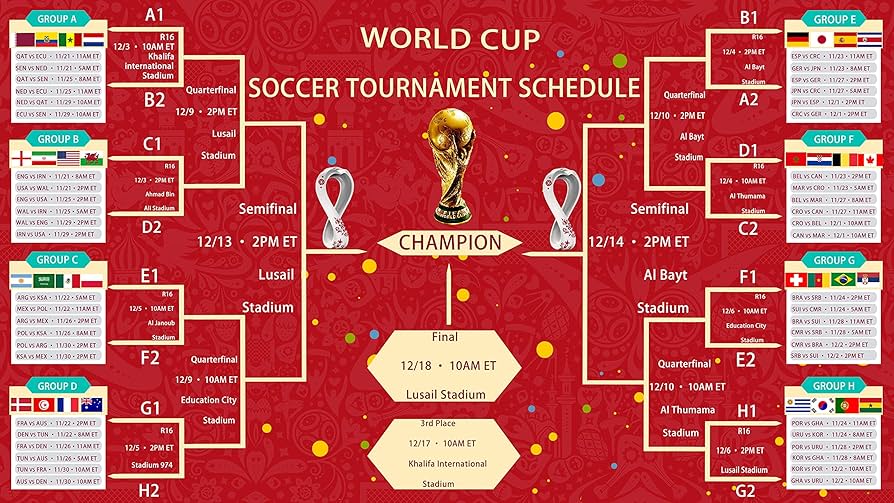
FIFA tournament schedule plays a crucial role in shaping how millions of fans experience the world’s biggest football events. Whether you’re planning to watch every match or just your favorite team, understanding the schedule helps you stay connected to the action without missing key moments.
Football fans often remember not just the matches, but the anticipation leading up to them. Waiting for a big game, adjusting daily routines, and gathering with friends are all part of the experience. The schedule becomes more than a list—it becomes a timeline of excitement.
Why FIFA tournament schedule matters for every fan
The structure of a tournament can influence everything from team performance to fan engagement. A well-planned schedule ensures fairness, excitement, and smooth progression through different stages.
When fans follow the FIFA tournament schedule, they can plan ahead, track their favorite teams, and anticipate key clashes. It also helps broadcasters and organizers deliver a seamless viewing experience across different time zones.
For players, the schedule determines recovery time and preparation. A tight schedule can challenge even the strongest teams, while a balanced one allows for peak performance.
Understanding the structure of FIFA tournaments
FIFA tournaments typically follow a structured format, starting with group stages and progressing to knockout rounds. Each phase brings its own level of intensity and excitement.
The group stage allows teams to compete in a round-robin format, where every match counts. Points earned here determine which teams advance.
As the tournament moves into knockout rounds, the stakes get higher. One mistake can end a team’s journey. This progression makes the FIFA tournament schedule both predictable and thrilling.
FIFA tournament schedule and global time zones
One of the biggest challenges in global tournaments is managing time zones. Matches are played in host countries, but fans watch from all over the world.
For example, a match held in Qatar during the FIFA World Cup may air late at night in India or early morning in Europe.
Understanding the FIFA tournament schedule helps fans adjust their routines and ensures they don’t miss important games.
Key stages in the FIFA tournament schedule
Every tournament has defining moments that fans eagerly anticipate. These include opening matches, rival clashes, quarter-finals, semi-finals, and the final.
The opening match sets the tone, while the final determines the champion. In between, knockout matches often produce unforgettable moments.
Following the FIFA tournament schedule allows fans to experience the emotional journey of the tournament, from excitement to tension and celebration.
Real-life experience: Planning around big matches
A football fan once shared how he planned his entire week around a major tournament. He adjusted his work schedule, set reminders, and even organized viewing parties with friends.
By keeping track of the FIFA tournament schedule, he ensured that he didn’t miss any crucial matches. The experience became more than just watching football—it became a shared celebration.
This highlights how the schedule plays a central role in shaping fan experiences.
Impact of scheduling on team performance
The timing and spacing of matches can significantly affect how teams perform. Short recovery periods can lead to fatigue and injuries.
Teams with deeper squads often handle tight schedules better. They can rotate players and maintain performance levels.
Analyzing the FIFA tournament schedule provides insights into which teams may have an advantage based on rest and preparation time.
FIFA tournament schedule and broadcast planning
Broadcasters rely heavily on the schedule to plan coverage. High-profile matches are often given prime viewing slots to maximize audience engagement.
This ensures that fans get the best possible experience, with pre-match analysis, live commentary, and post-match discussions.
The FIFA tournament schedule also helps digital platforms provide real-time updates, highlights, and interactive content for fans.
Technology and schedule accessibility
Modern technology has made it easier than ever to access tournament schedules. Mobile apps, websites, and notifications keep fans updated instantly.
Fans can set reminders, receive alerts, and even watch matches live on their devices. This level of accessibility has transformed how people follow tournaments.
With the help of technology, the FIFA tournament schedule is no longer just a static list—it’s an interactive experience.
FIFA tournament schedule for different competitions
FIFA organizes multiple tournaments, each with its own schedule and format. These include youth competitions, women’s tournaments, and club events.
Each competition has unique characteristics, but all follow a structured timeline that ensures fairness and excitement.
Exploring the FIFA tournament schedule across different events reveals the diversity and global reach of football.
The excitement of knockout stages
The knockout stage is where the tournament truly comes alive. Every match becomes a high-stakes battle with no room for error.
Fans eagerly follow the FIFA tournament schedule during this phase, as each game can produce dramatic moments and unexpected results.
This stage often defines the legacy of players and teams, making it the most thrilling part of the tournament.
Fan engagement and social media buzz
Social media has amplified the excitement around tournament schedules. Fans discuss upcoming matches, share predictions, and celebrate victories online.
The FIFA tournament schedule acts as a timeline for these conversations, guiding discussions and creating anticipation.
This digital engagement adds another layer to the overall experience, connecting fans across the globe.
Challenges in organizing tournament schedules
Creating a tournament schedule is a complex task. Organizers must consider factors like venue availability, travel logistics, and broadcasting requirements.
Weather conditions and security concerns can also influence scheduling decisions. Balancing all these factors requires careful planning and coordination.
Understanding these challenges adds depth to how we view the FIFA tournament schedule, appreciating the effort behind every match.
Future trends in FIFA tournament scheduling
As football continues to grow, scheduling is evolving to meet new demands. Innovations like flexible match timings and expanded tournaments are being explored.
Sustainability and player welfare are also becoming important considerations. Organizers are looking for ways to reduce travel and ensure better recovery time.
These changes will shape the future of the FIFA tournament schedule, making it more efficient and fan-friendly.
Making the most of the tournament experience
For fans, following the schedule is just the beginning. Creating a routine around matches, engaging with other fans, and enjoying the atmosphere all enhance the experience.
Whether watching alone or with friends, the excitement of each match is amplified when you’re fully prepared.
By staying updated with the FIFA tournament schedule, fans can immerse themselves in every moment of the tournament, making it a memorable journey filled with passion and excitement.
Read also:
mexico national football team vs turkey national football team lineups
spain national football team vs netherlands national football team lineups
mexico national football team vs paraguay national football team lineups
argentina national football team vs colombia national football team lineups
france national football team vs croatia national football team lineups