
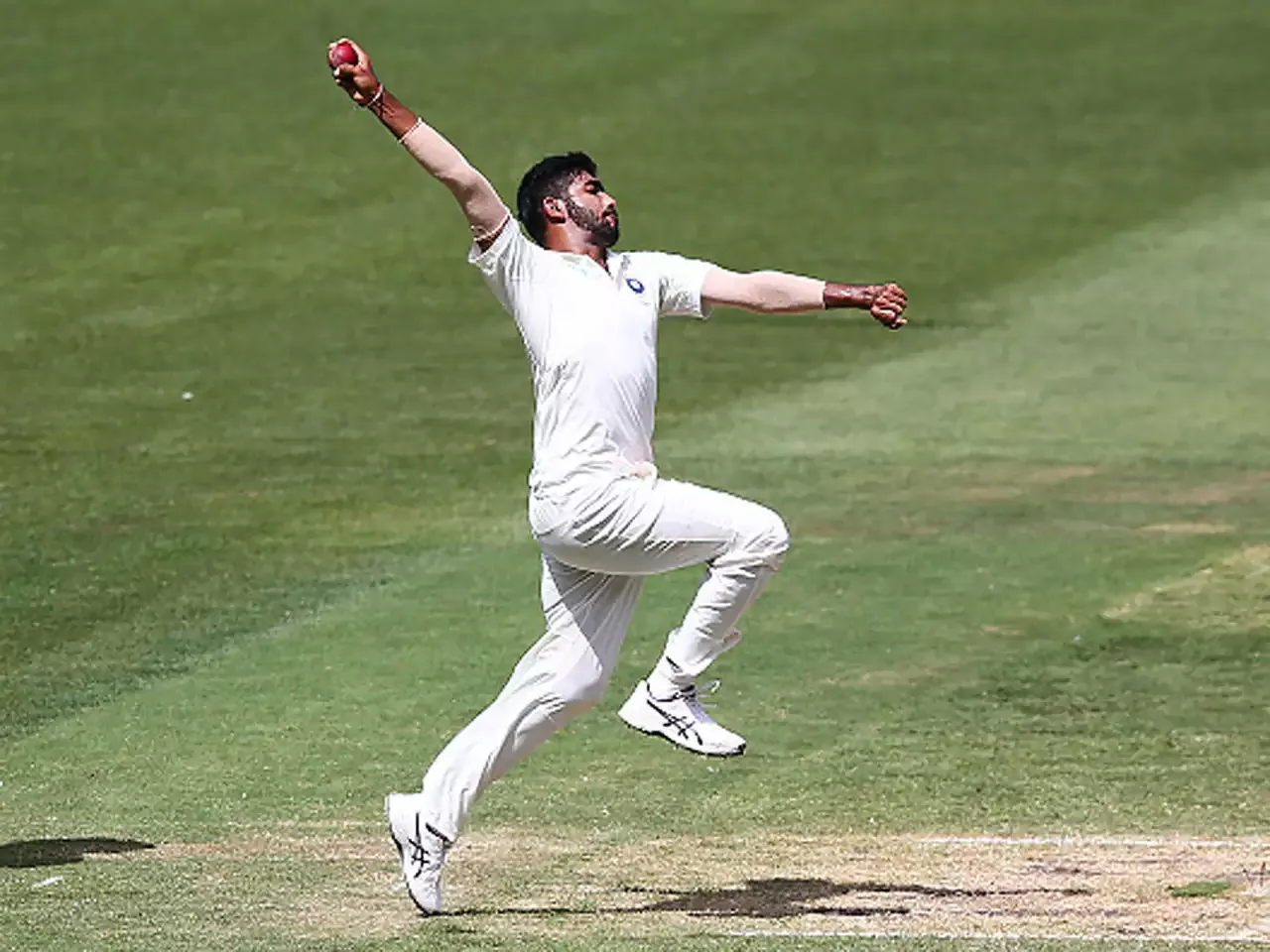
Bowling action analysis is the definitive secret weapon that separates local park cricketers from the elite athletes who consistently shatter stumps at ninety miles per hour. When you watch a professional fast bowler glide toward the crease, everything looks effortless and fluid. However, behind that grace lies a complex web of biomechanical movements that have been scrutinized and refined through hours of technical review. Every arm swing, foot placement, and trunk rotation is a piece of a larger puzzle designed to maximize speed while minimizing the risk of a career-ending injury.
Understanding your own mechanics is the first step toward reaching your full potential on the cricket pitch. For many young bowlers, the goal is simply to bowl fast or extract a bit of swing from the clouds. Yet, without a proper bowling action analysis, most players are essentially guessing. They might feel a tweak in their lower back or wonder why their pace has plateaued despite spending more time in the gym. The reality is that bowling is an unnatural movement for the human body, and without technical efficiency, the kinetic chain breaks down quickly.
The process of deconstructing a bowling action involves looking at several distinct phases. It begins long before the ball leaves the hand. Most experts suggest that a good delivery starts with the run-up. If your approach is stuttered or inconsistent, your body will struggle to build the necessary momentum to transfer into the ball. A professional analysis looks at the rhythm of the stride and the alignment of the shoulders as the bowler approaches the popping crease. If the run-up is off-center, the entire delivery stride will likely be misaligned.
Once the bowler reaches the jump or the “load-up” phase, the technical requirements become even more demanding. This is where the core must remain stable while the limbs move in a synchronized fashion. During a comprehensive bowling action analysis, coaches pay close attention to the position of the non-bowling arm. This arm acts as a lever and a steering wheel. If it drops too early or swings too wide, it can pull the bowler’s body out of alignment, leading to a loss of accuracy and power.
The Biomechanics of the Delivery Stride
The delivery stride is arguably the most critical part of the entire process. This is the moment where all the accumulated energy from the run-up is channeled through the body and into the cricket ball. There are generally three main types of actions: side-on, front-on, and semi-open. Each has its own set of advantages and potential pitfalls. A side-on bowler looks toward the target over their front shoulder, while a front-on bowler has their chest facing the batsman. Problems often arise when a bowler tries to mix these two styles.
A “mixed action” is a common term you will hear during a bowling action analysis. This occurs when the hips are positioned for a front-on delivery but the shoulders are twisted into a side-on position, or vice versa. This creates a massive amount of torque in the lumbar spine. For a young pacer, a mixed action is a ticking time bomb for stress fractures. Identifying this flaw early through video review can save a player years of pain and physical therapy. It is not just about bowling better; it is about bowling longer.
The point of back-foot contact is another area that requires deep scrutiny. When the back foot lands, it should be stable and provide a solid base for the rest of the movement. If the foot lands at an awkward angle, it can cause the bowler to “fall away” toward the off-side or leg-side. This lateral movement dissipates energy that should be going forward toward the batsman. By using high-speed cameras, coaches can see exactly how the foot interacts with the turf and suggest adjustments to the player’s footwear or stride length.
Following the back-foot landing is the front-foot plant. This is the “brace” phase. Think of a pole vaulter planting their pole into the ground. The front leg should ideally be straight and strong, acting as a pivot point that catapults the upper body forward. If the front knee buckles or bends excessively, the bowler loses height and leverage. A detailed bowling action analysis often reveals that a “soft” front knee is the primary reason why a bowler feels they have lost their “zip” off the pitch.
Enhancing Performance Through Video Analysis
In the modern era, you do not need an expensive laboratory to conduct a high-quality review of your mechanics. Smartphones now have the capability to record at high frame rates, allowing players to see their movement in slow motion. This democratization of technology has changed the way coaching works at the grassroots level. A coach can now film a delivery, draw lines on the screen to check body angles, and provide immediate feedback. This visual evidence is far more powerful than verbal instructions alone.
When a player sees themselves on screen, the “feel vs. real” gap begins to close. A bowler might feel like they are staying upright, but the video might show them leaning dangerously to the side. By overlaying footage of a professional bowler with the student’s footage, a bowling action analysis can highlight specific areas for improvement. It might be the height of the release point or the follow-through path. Seeing the difference visually helps the brain map out the necessary corrections more effectively.
The release point is the culmination of the entire kinetic chain. The arm should be as high as possible to generate bounce, and the wrist position must be firm to ensure the seam remains upright. Small deviations in the wrist angle can be the difference between a ball that swings away and one that sits up to be hit for a boundary. Analyzing the flick of the fingers and the rotation of the shoulder at the moment of release can help a bowler find that elusive “natural” swing that bothers even the best batsmen.
Beyond the physical mechanics, there is also the element of “repeatability.” A great bowler is one who can produce the same action over and over again under pressure. During an intensive session of bowling action analysis, a coach will look for consistency across twenty or thirty deliveries. If the action starts to break down as the bowler gets tired, it indicates a need for better physical conditioning or a more efficient technique that requires less effort to maintain.
Identifying and Correcting Common Technical Flaws
One of the most frequent issues discovered during technical reviews is the “falling head” syndrome. As the bowler delivers the ball, their head might tilt toward the off-side. Because the head is heavy, where it goes, the body follows. A falling head usually leads to the bowling arm coming across the body rather than straight down the line. This results in the ball sliding down the leg side or failing to hit the desired lengths. Correcting this usually involves focusing on “eyes on the target” drills.
Another common flaw is the lack of a proper follow-through. Some bowlers tend to stop abruptly after releasing the ball. This is not only bad for the joints but also limits the “pace through the air.” A smooth, long follow-through ensures that the force generated in the run-up is dissipated gradually. During a bowling action analysis, the path the bowler takes after the ball is gone is studied to ensure they are not moving into the “danger area” of the pitch and that they are finishing their action completely.
The role of the core muscles cannot be overstated in this process. The torso acts as the bridge between the lower body’s power and the upper body’s precision. If a bowler has a weak core, they will often struggle to maintain their posture at the point of release. This leads to a “crunching” of the spine. By integrating specific strength training with technical analysis, a bowler can build the “armor” necessary to support a high-intensity bowling action over long spells in the sun.
Many players wonder how often they should undergo a formal review. While you do not want to become “paralyzed by analysis,” a seasonal check-up is highly recommended. As bodies grow and change, especially in teenage years, the mechanics of the bowl can shift subtly. What worked as a fifteen-year-old might not be sustainable at eighteen. Regular bowling action analysis ensures that these subtle shifts are caught before they turn into bad habits or lead to chronic injuries.
The Role of Psychology in Technical Mastery
While much of this discussion focuses on physics and biology, the mental aspect of changing an action is significant. Re-wiring muscle memory is a frustrating and slow process. When a coach identifies a flaw and suggests a change, the bowler often feels “wrong” or “uncomfortable” for several weeks. This is because the nervous system is used to the old pathway. Understanding that this discomfort is a sign of progress is vital for any player looking to improve their game.
During the correction phase, it is often helpful to use “exaggeration drills.” If a bowler is struggling with a bent front leg, they might spend sessions bowling at half-pace with an exaggeratedly stiff leg. This helps the brain recognize the new position. A bowling action analysis during these sessions helps track whether the exaggeration is actually translating into the desired change. It is a process of trial, error, and constant refinement that requires a high degree of patience and discipline.
Slow-motion drills are another staple of technical improvement. By performing the action in slow motion without a ball, the bowler can focus on every specific movement. They can feel the stretch in their side, the position of their feet, and the height of their arm. This “shadow bowling” is often more effective for technical changes than actual bowling because it removes the distraction of where the ball is going. Once the pattern is set in slow motion, it can gradually be sped up to match-realistic levels.
The ultimate goal of a bowling action analysis is to make the action so efficient that the bowler no longer has to think about it. In the heat of a match, with the crowd cheering and the game on the line, you cannot be thinking about your back-foot alignment. You need to be focused on the batsman’s feet and the plan for the over. The work done in the nets, the hours spent watching video, and the adjustments made in training are all about building an action that stands up when the pressure is at its highest.
Leveraging Modern Tools for Better Results
Today, there are specialized apps designed specifically for cricketers. These tools allow users to draw angles on the screen, compare videos side-by-side, and even track the trajectory of the ball. Some high-end facilities use wearable sensors that measure the “G-force” and “torque” acting on the bowler’s body. This level of data provides an objective look at performance that was previously only available to international teams. Even a simple tripod and a smartphone can provide 80% of the benefits of these high-tech systems.
When you begin your journey with bowling action analysis, start by filming yourself from two specific angles: directly from the side and directly from behind. The side view is best for checking the length of your stride, the braced front leg, and the height of your release. The rear view is essential for checking your alignment toward the target and seeing if your body is tilting or if you have a mixed action. These two perspectives provide a 3D understanding of what is happening during those crucial split seconds.
It is also beneficial to analyze yourself when you are fresh versus when you are tired. Often, a bowler’s technique looks perfect in the first three overs but starts to “decay” by the eighth over. Fatigue is the enemy of good technique. By filming a session at the end of a long practice, you can identify which parts of your action are the most vulnerable to breaking down. This helps you tailor your fitness routine to strengthen the specific muscles that are failing you during long spells.
Trusting the process is essential. Even the greatest bowlers in history, from Glenn McGrath to Wasim Akram, had facets of their action that were unique to them. The goal of a bowling action analysis is not to force every player into a generic “textbook” mold. Instead, it is about finding the most efficient and safest version of your own natural movement. It is about removing the “friction” in your delivery so that every ounce of your energy goes into making life difficult for the person holding the bat.
Practical Steps for Long-Term Improvement
If you are serious about your development, consider keeping a digital “bowling diary.” Store your video clips chronologically and take notes on how different adjustments felt. Over six months, you will be able to see a visible transformation in your posture and power. This visual record is incredibly motivating and provides a clear roadmap of where you have been and where you are going. It turns the abstract concept of “improvement” into a tangible, visible reality.
Collaborating with a knowledgeable coach or a peer can also add value. Sometimes, a fresh pair of eyes sees something you have missed despite watching your own footage a hundred times. A peer-led bowling action analysis session can be a great way to learn, as explaining mechanics to someone else often reinforces your own understanding. When you can articulate why a straight front leg is important, you are more likely to implement it correctly in your own game.
Remember that the body needs time to adapt to technical changes. If you change your foot alignment, your muscles and tendons will be loaded in new ways. It is common to feel some minor aches in different places as your body adjusts to the new “optimal” path. However, sharp pain should never be ignored. The whole point of analyzing your action is to move away from injury-prone movements, so listen to your body throughout the transition phase.
Ultimately, the marriage of technology and traditional coaching has made it an exciting time to be a bowler. Whether you are a leg-spinner looking for more revolutions or a fast bowler hunting for that extra yard of pace, the answers are hidden within your mechanics. By committing to a regular and honest bowling action analysis, you give yourself the best possible chance to succeed. The path to the top is paved with attention to detail, and in the world of bowling, those details are found in the frame-by-frame breakdown of your delivery.
Read also :-
lakers vs phoenix suns match player stats
utah jazz vs lakers match player stats
lakers vs la clippers match player stats
new orleans pelicans vs lakers match player stats