


Introduction: What is the Eiffel Tower?
The Eiffel Tower is undoubtedly one of the most recognizable landmarks in the world. Standing tall in the heart of Paris, this magnificent structure has captivated visitors from around the globe since its construction in 1889. So, if you’ve ever wondered, “What is the Eiffel Tower?”, you are about to embark on a journey through its rich history, unique design, and its lasting cultural impact on Paris and beyond.
While it is often associated with romance and beauty, the Eiffel Tower holds a much deeper meaning for engineers, historians, and tourists alike. But what is the Eiffel Tower really? It’s not just a famous monument; it’s a symbol of human ingenuity, perseverance, and modern engineering that continues to awe people of all ages.
In this article, we’ll explore the history, design, and significance of the Eiffel Tower and answer all the key questions about this iconic structure.
What is the Eiffel Tower? A Historical Overview
To fully understand what is the Eiffel Tower, we need to take a step back in history. The Eiffel Tower was designed by French engineer Gustave Eiffel for the 1889 Exposition Universelle, a world’s fair held in Paris to celebrate the 100th anniversary of the French Revolution. Initially, the Eiffel Tower was meant to be a temporary structure, built to serve as the centerpiece of the fair.
Construction began in January 1887, and despite facing significant opposition from many prominent Parisians, who believed the tower would be an eyesore, the structure was completed in March 1889. Standing at 300 meters (984 feet), the Eiffel Tower was, at the time, the tallest man-made structure in the world.
When completed, the Eiffel Tower was a monumental achievement of engineering, showcasing the potential of iron as a building material. Though initially controversial, it soon became a beloved symbol of Paris and France.
The Eiffel Tower Design: A Masterpiece of Engineering
So, what is the Eiffel Tower in terms of design? The Eiffel Tower is made of iron and consists of 18,038 individual parts, which are held together by over 2.5 million rivets. Its open lattice structure, which allows wind to pass through, gives the tower a sense of lightness and elegance despite its massive size.
The tower is divided into three levels, each with its own unique features and views. The first and second levels feature observation decks and restaurants, while the top level provides a stunning panoramic view of Paris. The entire structure weighs approximately 10,100 tons, yet its design ensures that the weight is evenly distributed, making it stable and resilient to high winds and other natural forces.
The Eiffel Tower was revolutionary for its time, not only in its use of iron but also in its unique architectural style. It marked the beginning of a new era in construction, blending industrial materials with artistic flair. The tower’s design was so ahead of its time that it influenced future developments in architecture and engineering.
What is the Eiffel Tower Today? Its Role and Purpose
Now that we know the history and design of the Eiffel Tower, it’s important to understand what is the Eiffel Tower used for today. While originally intended to be a temporary structure, the Eiffel Tower has endured and grown into one of the most famous tourist destinations in the world.
1. A Global Tourist Attraction
The Eiffel Tower is not only an architectural marvel but also one of the most visited monuments on the planet. Every year, millions of people from all corners of the globe visit Paris to see the tower and experience its breathtaking views of the city. The tower’s observation decks, located on the first, second, and top levels, offer panoramic views of Paris that are unparalleled anywhere else.
Whether it’s the lights of the city at night, the iconic landmarks such as the Louvre and Notre-Dame, or the scenic Seine River winding through the city, there’s no better vantage point to take in the beauty of Paris than from the Eiffel Tower.
2. A Symbol of Parisian Identity
When we think about Paris, one of the first things that come to mind is the Eiffel Tower. It has become a symbol of the city’s charm, elegance, and innovation. In fact, the Eiffel Tower is so intertwined with Parisian identity that it’s hard to imagine the city without it.
Beyond being just a tourist attraction, the Eiffel Tower has become an essential part of the Parisian cultural landscape. It appears in countless films, books, and works of art, cementing its status as an enduring symbol of French culture and style.
3. A Hub for Communications
The Eiffel Tower isn’t just a historical landmark; it also serves a functional purpose in the modern world. Since the early 20th century, the Eiffel Tower has been used for radio transmission, and today it still plays a vital role in broadcasting and telecommunications. Its tall structure makes it an ideal location for antennas and communication equipment, which are used for television, radio, and digital signals.
Thus, the Eiffel Tower serves as both a tourist attraction and a vital piece of Paris’s infrastructure, balancing its cultural significance with practical applications.
Fun Facts About the Eiffel Tower
When exploring what is the Eiffel Tower, it’s important to appreciate the quirky details and fun facts that make this structure so fascinating:
-
The Eiffel Tower was initially criticized by many prominent artists and intellectuals, who thought it was an eyesore. One such critic, Guy de Maupassant, was known to have dined in the tower’s restaurant regularly, claiming it was the only place in Paris where he couldn’t see the structure.
-
The Eiffel Tower was originally intended to be a temporary structure, but after its success during the 1889 Exposition Universelle, it was decided to keep it standing.
-
The Eiffel Tower grows taller during the summer due to the expansion of the iron in the heat, stretching up to 6 inches (15 centimeters).
-
Every seven years, the Eiffel Tower is repainted to protect it from rust. It takes about 60 tons of paint to cover the entire structure.
Visiting the Eiffel Tower
If you ever find yourself in Paris, you won’t want to miss the opportunity to visit the Eiffel Tower. But what should you expect when you get there? First, you’ll need to decide whether you want to take the stairs or the elevator. Visitors can climb the 300 steps to the first level, where they can enjoy exhibits about the tower’s history, or take the elevator to higher levels for more spectacular views.
For those looking for a truly special experience, dining in one of the tower’s restaurants, such as 58 Tour Eiffel or Le Jules Verne, offers an unforgettable experience with incredible food and panoramic views of the city.
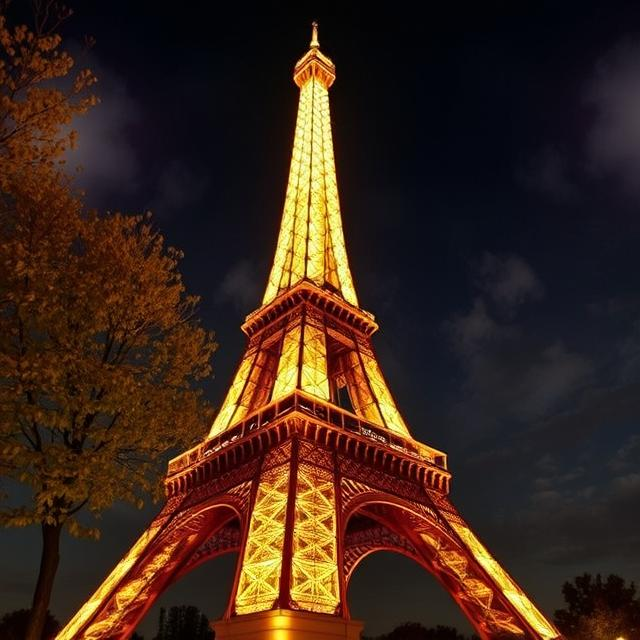
At night, the Eiffel Tower becomes a beacon of light, sparkling every hour with over 20,000 light bulbs that create a dazzling display. If you’re visiting Paris at night, it’s a sight you won’t want to miss.
The Eiffel Tower‘s Impact on Paris and the World
So, what is the Eiffel Tower in a broader context? Beyond its immediate use as a tourist destination, the Eiffel Tower has had a profound influence on both Paris and the world. It stands as a testament to French ingenuity, and it continues to inspire engineers, architects, and designers worldwide. Its success in both form and function made it an early example of how industrial materials could be used in architectural designs to create not only functional structures but also works of art.
Furthermore, the Eiffel Tower has significantly contributed to Paris’s economy through tourism, providing jobs and boosting the local economy. It also strengthens Paris’s position as a global hub for culture and design.
Conclusion: Embracing the Legacy of the Eiffel Tower
So, what is the Eiffel Tower? It’s much more than a tall iron structure in the heart of Paris. It’s a symbol of innovation, resilience, and beauty that has stood the test of time. From its controversial beginnings to its current status as one of the most visited landmarks in the world, the Eiffel Tower has left an indelible mark on history.
Whether you’re a history enthusiast, an architecture lover, or simply a traveler seeking to experience the charm of Paris, the Eiffel Tower remains an unforgettable destination. Its timeless elegance and cultural significance continue to inspire visitors from all over the world, proving that this iconic structure will forever be a symbol of French pride and global admiration.