


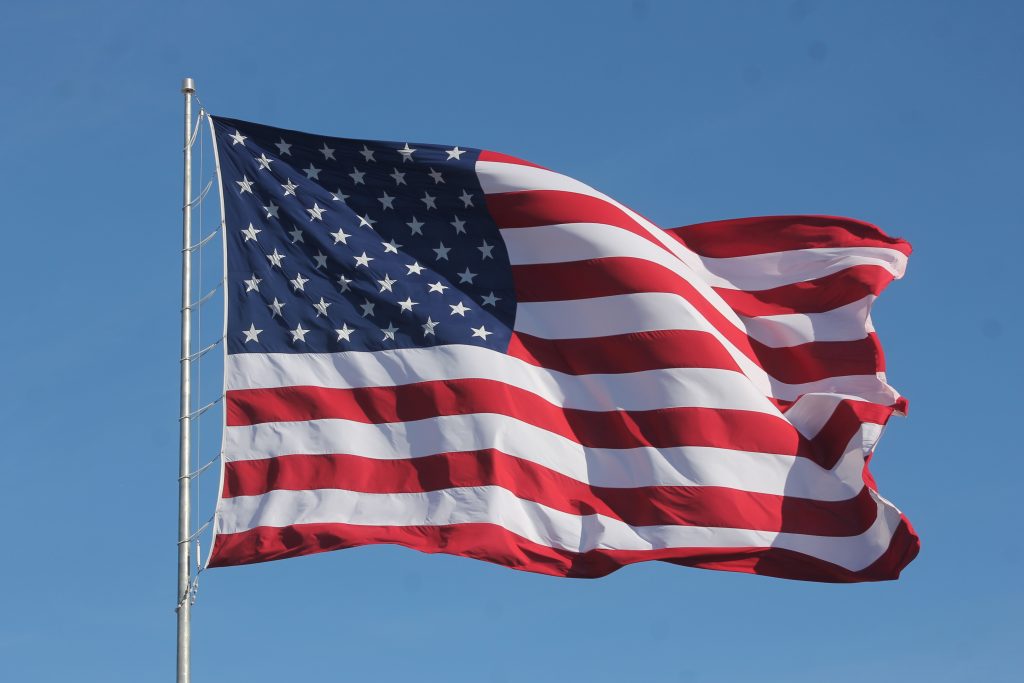
When talking about their country, Americans have two common ways of referring to the United States: the US and America. But which term is more widely used, and are there any differences in meaning or usage between the two? For those outside the United States, this can be a bit confusing, as the terms sometimes seem interchangeable. In this article, we’ll explore the nuances behind both terms, the cultural and historical implications of their usage, and why it matters how we refer to the United States.
A Brief Overview of the US and America
Before delving into the differences, it’s important to clarify what each term refers to.
-
The US: This is an abbreviation for the United States, which refers to the political entity, specifically the country formed by the union of states under the Constitution. This term emphasizes the federal nature of the country, highlighting the unity of its individual states.
-
America: Often used to refer to the United States as a whole, America is a more colloquial and informal term. While it technically could apply to both continents of North and South America (which together comprise the Americas), it is commonly used to mean the United States, especially within the United States itself.
The debate on whether to use the US or America is not just about language but also about identity, history, and international perceptions. Let’s explore both terms in more detail.
Historical Background
The use of America to refer specifically to the United States has deep historical roots. When the country was first formed, there were a variety of names considered for the new republic, but America ultimately became the most widely used term. The name comes from Amerigo Vespucci, an Italian explorer whose name was used to label the continent in the early 1500s. Though the term “America” initially referred to the landmass, by the 18th century, it had come to be associated with the new nation formed by the Declaration of Independence in 1776.
The formal name, the United States of America, was chosen to reflect the union of the individual states that formed the new republic. As the country grew in size and influence, the term America began to be used informally as shorthand for the United States.
The term the US, on the other hand, became more common in the 19th and 20th centuries as the country became more globally recognized. The formal, official name is a reflection of the country’s status as a union of states, which is why the US remains the more formal, precise way to refer to the nation in international contexts, official documents, and when speaking in a political or legal framework.
Usage of the US vs. America: The Cultural Divide
-
In the United States
Within the United States, both the US and America are used frequently, but there are some differences in their usage. America is more common in casual conversation, while the US is typically used in more formal contexts. For example:
-
America is often used in everyday speech: “I love living in America” or “In America, we value freedom.”
-
The US tends to appear more in official contexts, such as in business, politics, and international relations: “The US government is focusing on climate change” or “Trade relations between the US and China.”
When referring to geographical matters, the US is usually more specific, as it refers directly to the country’s borders. America, however, might be used more casually or symbolically, especially when referring to the idealized version of the country—such as the concept of the “American Dream.”
-
Outside the United States
Interestingly, when referring to the United States outside of the country, the term America is more commonly used. This is true in many languages, where the term America is understood to mean the United States. In international contexts, people might say, “I’m going to America” or “I live in America” to refer to the US.
In fact, many non-Americans find the term America to be the most natural way to refer to the United States, as it is the most familiar and widely understood term. While some may argue that the term America is geographically ambiguous because it refers to two continents, it is almost universally recognized around the world as a reference to the United States.
The Significance of Calling It America
Why has America become so ingrained in the global consciousness as a synonym for the United States? One reason is the country’s historical and cultural influence. Over the past century, the US has been at the center of global politics, economics, and culture, which has led to the widespread use of the term America to represent the entire nation.
The term is also deeply tied to the idea of national identity. America is not just a country; it symbolizes freedom, democracy, and opportunity. This symbolic meaning is why many people, especially within the United States, refer to their nation as America. To many Americans, it’s not just a geographical place—it’s a representation of their values, ideals, and way of life.
In this sense, using America is not just a linguistic shortcut; it also serves to reinforce a national identity that goes beyond political boundaries. The term can evoke a sense of pride and patriotism.
The Argument for Using the US Instead of America
Despite its widespread use, the term America does have its critics. Some argue that it’s problematic because it excludes the other countries in the Americas, namely Canada, Mexico, and the countries of Central and South America. From this perspective, referring to the United States as America is geographically inaccurate because it implies that the US is the only country in the Americas.
This issue is particularly relevant in international settings. In Latin America, for example, the term America is used to refer to the entire continent, not just the US. In this context, referring to the United States as America can sometimes come across as arrogant or even disrespectful to the people and cultures of other countries in the Americas.
Using the US in these situations is seen as a more neutral and accurate way to refer to the country. It avoids the ambiguity that comes with calling the US America and respects the broader geographical understanding of the Americas.
Is One Term Better Than the Other?
So, should you use the US or America? It really depends on the context. Here are some guidelines to help you decide:
-
Use “America” when speaking casually or symbolically within the US or when you’re referring to national pride and identity.
-
Use “the US” when discussing the country in a formal, political, or legal context or when speaking internationally to avoid confusion with the other countries in the Americas.
In everyday conversation, both terms are widely understood and accepted in the United States, and both can be used with ease. However, if you’re speaking to someone outside of the United States, especially in Latin America or other countries in the Americas, it might be more respectful to use the US to avoid potential misunderstandings.
Conclusion
In the end, whether you say the US or America comes down to context, preference, and cultural considerations. While America is commonly used by both Americans and people from other parts of the world, the US provides a more precise and neutral way to refer to the country, particularly in formal settings and international discourse.
Both terms are widely recognized, but the choice between them can carry different meanings depending on how you’re engaging with the country. Understanding the subtle differences between the US and America will allow you to use these terms thoughtfully, whether you’re traveling, discussing global politics, or simply talking about American culture with friends.
No matter which term you choose, it’s clear that the United States holds a significant place in the world, and whether you say America or the US, it remains a central part of global conversation and identity.
Know More: