


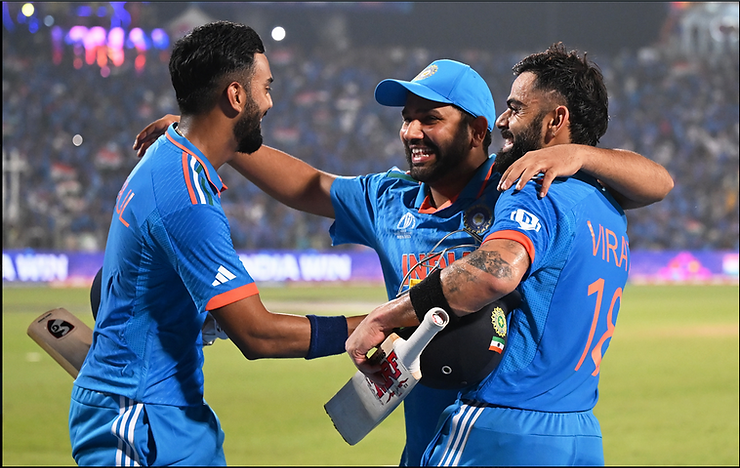
Cricket Match Strategies form the backbone of every successful game plan. Professional coaches emphasize that a well-thought-out strategy can transform a team’s performance, helping players capitalize on strengths and minimize weaknesses. Whether it’s a Test match, ODI, or T20, understanding the nuances of strategy is critical for consistent victories.
These strategies are not just about batting or bowling; they encompass field placement, player rotation, psychological preparation, and analyzing opponents. Coaches who focus on these aspects often help teams outperform even stronger opponents, making strategy an essential part of cricket training.
Understanding Batting Strategies
Batting strategies are a key component of Cricket Match Strategies. Coaches often guide players on shot selection, pacing innings, and identifying scoring opportunities against specific bowlers. For example, a coach might advise a batsman to play cautiously against swing bowlers in early overs while targeting weak bowlers for aggressive shots.
Strategic batting also involves adapting to pitch conditions. A flat pitch may encourage power-hitting, while a turning track requires careful placement and timing. Professional players often follow tailored batting plans that consider individual strengths, opponent tendencies, and match situations.
Bowling Tactics and Variations
Bowling tactics form another crucial pillar of Cricket Match Strategies. Coaches emphasize variations in pace, spin, and line to unsettle batsmen. Fast bowlers may use short-pitched deliveries or slower balls to create pressure, while spinners exploit footmarks and turn to induce mistakes.
Strategic bowling involves setting up a batsman over several deliveries, predicting shot patterns, and rotating bowlers effectively. Professional coaches often prepare bowlers with detailed analysis of opposing batsmen, enhancing the likelihood of breakthroughs at critical moments in the match.
Field Placement and Defensive Planning
Effective Cricket Match Strategies also include intelligent field placement. Coaches often instruct captains on defensive and attacking field setups, depending on the game phase and bowler type. For instance, a field spread for a power-hitter differs from one used against a cautious batsman.
Dynamic field adjustments are essential in limited-overs formats, where pressure must be applied continuously. Coaches train players to read the batsman’s intentions quickly and communicate effectively, ensuring that every catch, stop, or run-out opportunity is maximized.
Mental Preparation and Game Awareness
Mental preparation is often underrated in Cricket Match Strategies, yet it can determine the outcome of tight matches. Coaches emphasize focus, stress management, and adaptability. Players are trained to stay calm during high-pressure situations, make informed decisions, and adjust tactics as the game unfolds.
Game awareness involves reading pitch conditions, weather, and opponent behavior. Professional coaches teach situational awareness, helping players anticipate changes and respond proactively. This mental edge often separates winning teams from others.
Practice Drills and Simulation Matches
Coaches often integrate specific drills into training as part of Cricket Match Strategies. Simulation matches allow players to practice real-game scenarios, from powerplays to death overs. These drills hone technical skills and decision-making under pressure.
For example, batsmen may face targeted bowling sequences resembling upcoming opponents, while bowlers practice executing variations for maximum impact. Fielders engage in high-intensity drills to sharpen reflexes, ensuring every component of the strategy is reinforced through practice.
Leveraging Technology in Strategy
Modern cricket has embraced technology as a tool for Cricket Match Strategies. Video analysis, data analytics, and predictive software help coaches study opponents, optimize line-ups, and track player performance. Detailed reports guide tactical decisions, such as selecting the right bowler for specific overs or targeting batsmen weaknesses.
Teams using technology efficiently often gain a significant advantage. Players receive actionable insights, and coaches can create game plans that are precise, data-driven, and adaptable to evolving match scenarios.
Leadership and Decision Making
Leadership plays a pivotal role in implementing Cricket Match Strategies. Captains must execute plans on the field, make quick decisions, and motivate the team. Coaches mentor captains in strategic thinking, understanding player strengths, and reacting to dynamic match conditions.
Decision-making under pressure, such as declaring an innings, setting attacking fields, or choosing bowlers, requires experience and guidance. Professional coaching ensures leaders are prepared to act decisively while aligning with the team’s overall strategy.
Adapting Strategies Across Formats
Cricket Match Strategies vary significantly across formats. In Test matches, patience and endurance define strategies, while T20 matches demand aggressive tactics and quick decision-making. Coaches customize plans to suit match duration, opposition, and pitch conditions, ensuring players are prepared for any scenario.
Adaptation involves understanding scoring patterns, bowler rotations, and optimal field placements. Teams with flexible strategies can respond effectively, maintain control, and exploit opportunities, regardless of format.
Read also:
sri lanka national cricket team vs bangladesh national cricket team match scorecard
afghanistan national cricket team vs south africa national cricket team
sri lanka national cricket team vs bangladesh national cricket team players
vidarbha vs kerala
afghanistan national cricket team vs england cricket team timeline
afghanistan national cricket team vs south africa national cricket team match scorecard
south africa national cricket team vs afghanistan national cricket team match scorecard