


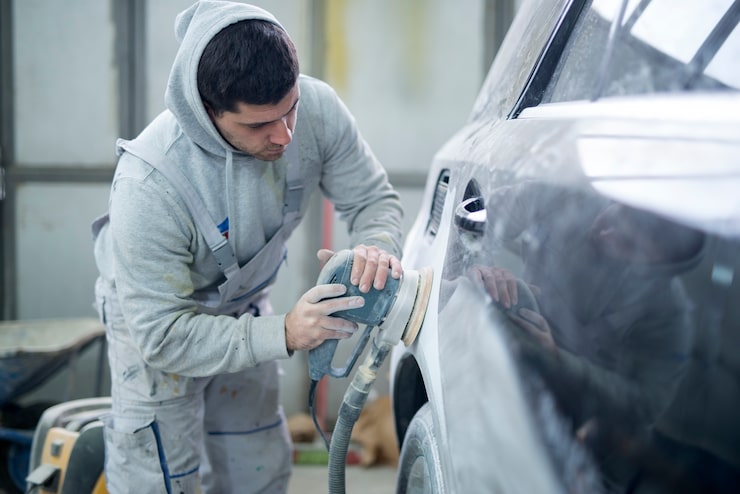
Car body repair services play a crucial role in keeping a vehicle looking good, performing well, and staying safe on the road. Whether it’s a minor scratch, a deep dent, or heavy collision damage, repairing the exterior of a car restores not just the appearance but also its overall value and structural strength. Many car owners underestimate how important the exterior body is until a small accident or parking mishap forces them to understand its significance.
Whenever you look at a polished vehicle, there is an entire process behind that shine. Skilled technicians, advanced tools, and well-tested repair methods all work together to make a damaged vehicle look as good as new. The world of body repair is a combination of craftsmanship and technology, and understanding this field gives every car owner more confidence while approaching a garage.
Growing up, I often watched experienced technicians work on bent bumpers and cracked panels. They always said the same thing: the body of a car tells a story. Scratches speak of narrow lanes, dents whisper about parking struggles, and paint damage reveals weather exposure. This understanding is what makes professional repair so important. It restores not just metal and paint but also the story of the vehicle.
The Role of Car Body Repair in Vehicle Health
The body of a car does more than create a stylish look. It protects the engine, absorbs impact in collisions, and maintains aerodynamic efficiency. When a panel becomes damaged or misaligned, it affects how the car drives and how safe it is during an accident.
Unlike mechanical repairs that focus on moving parts, body repairs require a mix of precision and artistic skill. Properly restored body panels ensure doors close correctly, windows seal perfectly, and the vehicle remains structurally dependable. Many beginners assume body repair is purely cosmetic, but professionals know it is essential for long-term performance.
Whenever a car arrives at a workshop with external damage, technicians assess not only the visible issue but also the hidden structural alignment underneath. This assessment ensures that the final repair is both safe and visually accurate.
Understanding Common Types of Body Damage
Cars experience different types of exterior damage depending on the situation. A classic example is the door ding found in crowded parking areas. Even small dents can weaken the metal structure if ignored for long. Deep scratches, on the other hand, expose the metal underneath the paint, leading to rust and long-term corrosion.
Weather damage is another common problem. Strong sunlight fades paint, while heavy rain affects exposed metal. Drivers who live near coastal areas often face salt-induced corrosion. Collision damage is the most severe form, sometimes requiring advanced refinishing, frame straightening, or part replacement.
Understanding these forms of damage helps car owners recognize the need for timely repairs. Every small issue, if left unattended, slowly becomes a bigger problem. Repair experts often mention that early action prevents expensive restoration later.
How Car Body Technicians Assess Exterior Damage
Assessment is the first and most important part of Car body repair services. A trained technician studies the shape, depth, and spread of damage before choosing a repair method. They use lights, mirrors, measuring tools, and digital scanners to detect misalignment, surface irregularities, and structural weakness.
A large part of damage assessment involves determining whether the original component can be repaired or needs replacement. For example, a slightly bent fender can be reshaped, but a severely crushed one must be replaced. This decision depends on safety, cost, and material condition.
Technicians also inspect paint layers carefully. Modern cars use multiple paint coats for protection and shine. Repairing a panel requires matching all these layers perfectly. A good technician identifies the paint code, texture, and finish to ensure a seamless look.
This stage of repair demonstrates why proper inspection is essential. Without it, the repair may look good temporarily but fail in durability.
The Repair Process: From Damage to Perfection
Body repair uses a structured workflow even though each case is unique. If a dent is small and accessible, technicians often use paintless dent repair, a method that restores the surface without disturbing the paint. This technique is highly efficient and preserves the original factory finish.
For deeper dents or bent panels, technicians remove the damaged panel and reshape it using specialized tools. The metal is slowly restored through controlled pressure and heat when necessary. After shaping, the panel is sanded to achieve a smooth surface.
Paint repair is both artistic and scientific. Technicians apply primer to protect the metal, followed by base paint to match the color, and finally a clear coat for shine and protection. The panel is then polished until it blends flawlessly with the rest of the vehicle.
Seeing the transformation from a damaged panel to a flawless surface often surprises car owners who watch the process for the first time. It feels like watching a craftsman restore a work of art.
Why Paint Matching Is One of the Most Skilled Tasks
Matching car paint is a challenge even for experienced body shops. Every vehicle’s paint reacts differently to sunlight, weather, and aging. That means even if two cars have the same factory color, their shades may differ slightly due to exposure.
Technicians use digital color scanners to identify the closest possible match. They mix paint formulas carefully, considering light reflection, metallic texture, and coating thickness. After applying the new paint, they blend the edges so the repair becomes invisible.
Perfect paint matching reflects true craftsmanship. Customers often judge repair quality based on how well the repaired panel blends with the rest of the car. That’s why this step is handled only by skilled professionals.
Structural Repairs and Frame Alignment
When a car experiences a serious collision, the frame may lose alignment. This affects the vehicle’s stability and safety. Modern workshops use computerized frame machines that measure the exact structure of the car and compare it with manufacturer specifications.
If the frame is even slightly bent, technicians use hydraulic equipment to bring it back to the correct shape. Proper alignment ensures the car drives smoothly, absorbs impact effectively, and keeps all parts in their correct positions.
These repairs may look complex, but they are essential for bringing a severely damaged vehicle back to safe driving condition.
Real-Life Example: Restoring a Car After a Heavy Collision
A customer once brought in a compact car that had suffered major side damage. The doors were bent, the frame slightly misaligned, and the paint heavily scratched. At first glance, the vehicle looked beyond repair. But with thorough assessment and detailed craftsmanship, the repair team straightened the frame, reshaped the panels, and applied a new paint finish perfectly.
The customer could not believe that the same damaged vehicle could look completely new again. This example shows how professional body repair restores not just the car but also the confidence of the owner.
Importance of Choosing the Right Repair Workshop
Not all workshops offer the same level of expertise. Choosing a reliable place for Car body repair services impacts quality, safety, and durability. A trusted workshop uses certified tools, trained technicians, and authentic materials.
Experienced shops explain the repair steps clearly and provide accurate timelines. They maintain transparency about costs and avoid unnecessary replacements. A good repair shop values customer trust as much as repair quality.
Building a long-term relationship with a reliable workshop gives car owners peace of mind and consistent quality.
How Weather and Environment Affect Car Body Condition
Environmental conditions play a big role in body damage. Sunlight causes paint oxidation, making the surface dull and weak. Rain and humidity create rust patches. Dust and pollution stick to the paint, causing micro scratches.
Car owners living in coastal areas face salt-related corrosion more frequently. High-altitude regions expose cars to stronger UV rays. Understanding these environmental factors helps in planning protective treatments such as waxing, ceramic coating, or frequent cleaning.
Repair technicians consider these factors while choosing paint materials and protective layers.
Preventive Care to Avoid Frequent Body Repairs
Regular washing, polishing, and applying protective coatings increase the lifespan of your car’s exterior. Parking in shaded areas, avoiding close contact in crowded parking lots, and driving carefully near curbs reduce chances of dents and scratches.
Small stone chips on highways are natural, but immediate touch-ups prevent rust and paint damage. Preventive care keeps the car looking new and reduces repair frequency.
Technicians often say that a well-maintained exterior reflects the owner’s care for the entire vehicle.
When Repair Is Better Than Replacement
Certain damages can be fixed without replacing the entire part. For example, minor bumper cracks, light dents, or small rust patches can be repaired efficiently. This saves money and maintains the car’s originality.
However, when a panel is cracked deeply or the metal is torn, replacement becomes the safer choice. Technicians weigh the structural strength and future durability before making this decision.
Understanding when to repair and when to replace helps car owners make more informed decisions.
Why Modern Cars Require Advanced Repair Techniques
Newer cars use lighter materials such as aluminum and advanced composites. These require different repair methods compared to traditional steel. Aluminum needs specific tools and temperatures for shaping. Composite panels cannot be hammered like metal and need specialized restoration processes.
Workshops equipped with modern tools can repair these advanced materials without compromising quality. Car manufacturers frequently update body technology, which makes continuous technician training essential.
This evolution in materials and engineering is why modern body repair feels more precise and technical than ever before.
Ensuring Your Repaired Car Looks and Feels Like New
A well-repaired car should look seamless. The repaired panel should match the surrounding body perfectly. Doors should close smoothly, windows should align correctly, and the paint should have a uniform shine.
After the repair, technicians inspect reflections, paint texture, and panel alignment under different lighting. This ensures the repaired car maintains its original aesthetic and comfort.
Good workshops often perform test drives to ensure everything feels normal.
Read also:
9057558201
18443963233
delhi cricket team vs madhya pradesh cricket team
6137468562